
When a scale fails, operations don’t just slow down, they can stop entirely. Here’s what emergency scale service involves, why response time matters, and how to minimize disruption.
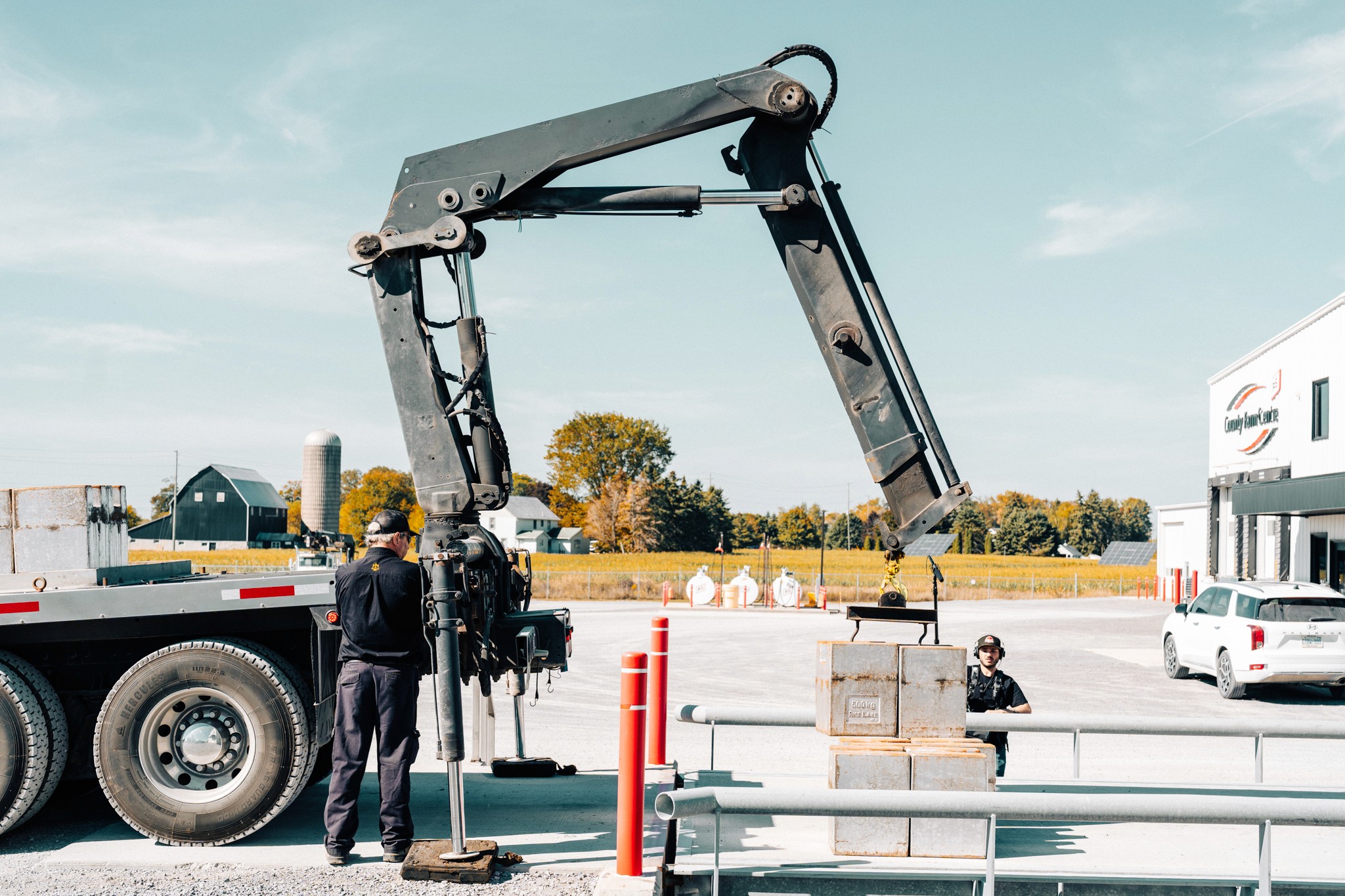
When a Scale Goes Down, Everything Feels It
A non-functioning scale isn’t just an inconvenience. In many operations, it halts shipping, interrupts production, delays billing, or puts compliance at risk.
Emergency scale service exists for one reason: to restore accurate weighing as fast as possible.
Common Reasons Emergency Calls Happen
Most urgent service calls stem from:
Failed inspections or out-of-tolerance readings
Error codes or indicator failures
Physical damage from vehicles or equipment
Power surges or environmental exposure
Sudden accuracy drift affecting transactions
In regulated environments, even short delays can create costly ripple effects.
What Happens During an Emergency Service Call
A proper emergency response typically includes:
Rapid diagnosis of the issue
On-site troubleshooting and repair
Verification or recalibration after repair
Documentation for compliance and audits
The goal isn’t just to get the scale running. It’s to ensure it’s accurate, legal-for-trade, and reliable.
Why Speed and Preparation Matter
Fast response only works if technicians arrive prepared. That means:
Carrying common replacement parts
Having certified test weights and tools
Understanding the specific scale type and environment
A quick arrival without the right equipment only delays resolution.
Temporary Solutions When Repairs Take Time
In some cases, full repairs can’t be completed immediately. Options may include:
Temporary recalibration to restore limited operation
Load restrictions until permanent fixes are made
Short-term rental scales to maintain workflow
Planning for contingencies reduces pressure during emergencies.
Preventing the Next Emergency
While not all failures are avoidable, many are preventable through:
Routine inspections
Scheduled calibration
Environmental protections
Early warning checks before inspections
Preventive maintenance remains the most effective way to avoid urgent downtime.
Final Thoughts
Emergency scale service is about more than speed. It’s about expertise, preparedness, and compliance.
Knowing what to expect when downtime hits helps operations respond calmly, restore accuracy quickly, and get back to work without unnecessary delays.