
Weight data does more than confirm a number on a display. When accurate and properly integrated, it supports reporting, forecasting, inventory control, and cost management. This article explains how reliable weighing improves operational decision-making.
In many industrial environments, weight is one of the most important data points in the operation.
It determines how much product is sold, how much material is consumed, how inventory is tracked, and how performance is measured. When weighing systems are accurate and properly integrated, they provide valuable insight. When they are not, decisions may be based on flawed information.
Accurate weight data supports clarity across the organization.
Revenue Reporting and Financial Accuracy
For operations that buy or sell by weight, scale data feeds directly into billing and accounting systems.
Accurate weight data ensures:
Invoices reflect actual product movement
Revenue reporting is reliable
Margins are protected
Disputes are minimized
If measurement is inaccurate, financial records become distorted. Even small discrepancies can affect profitability over time.
Reliable weight data supports clean financial reporting.
Inventory Management
Weight data plays a central role in tracking inventory levels.
In industries such as aggregates, feed production, recycling, and manufacturing, material movement is often measured in tonnes or kilograms.
Accurate weighing helps:
Monitor stock levels
Prevent over-ordering or shortages
Identify shrinkage or loss
Align physical inventory with recorded totals
When scale data integrates with inventory software, it provides real-time visibility into material flow.
Production Forecasting
Historical weight data helps predict future demand and production needs.
Facilities can analyze:
Seasonal volume trends
Average daily throughput
Material consumption rates
Peak operational periods
Accurate data improves forecasting reliability.
Inaccurate measurement, however, may lead to misaligned projections and planning inefficiencies.
Cost Control and Efficiency Monitoring
Weight data can reveal operational inefficiencies.
For example:
Excess material use in batching processes
Variations in load averages
Inconsistent throughput rates
Unexpected shifts in waste volume
By reviewing trends, managers can identify opportunities to improve efficiency and reduce unnecessary cost.
Accurate measurement provides a reliable baseline for performance evaluation.
Supporting Compliance and Documentation
In regulated industries, documented weight data supports compliance.
Accurate records help demonstrate:
Legal for trade accuracy
Proper labeling and reporting
Contract fulfillment
Environmental reporting requirements
Data integrity strengthens audit readiness.
Integration with Modern Software Systems
Modern weighing systems often connect directly to:
Accounting platforms
Enterprise resource planning systems
Production dashboards
Remote monitoring tools
When integration is configured correctly, data flows automatically between systems.
This reduces manual entry, minimizes error, and improves decision-making speed.
The Risk of Inaccurate Data
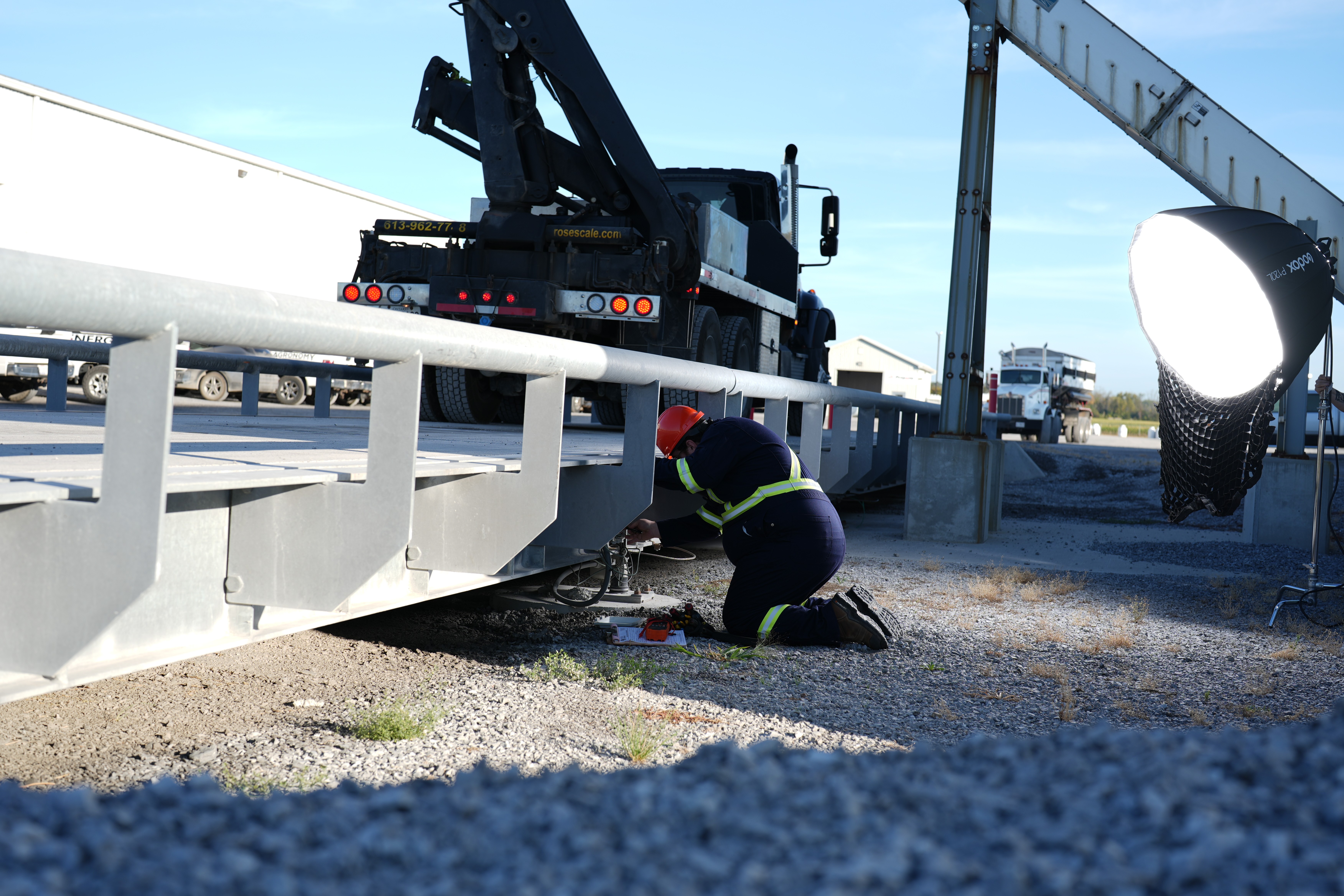
If a scale is not calibrated or properly maintained, inaccurate weight data may influence decisions across the organization.
Consequences may include:
Mispriced products
Inventory discrepancies
Poor production planning
Financial reporting errors
Maintaining calibration and system integrity protects the quality of operational data.
Final Thoughts
Weight data is more than a transactional record. It is a decision-making tool.
When scales are accurate and integrated properly, the data they generate supports reporting, forecasting, inventory control, and cost management.
Accurate measurement strengthens operational clarity. Inaccurate measurement introduces uncertainty.
In industrial operations, reliable weight data supports smarter, more confident decisions.

Need New Equipment?
From a single bench scale to a full truck scale installation, we’ll help you get the right system in place from the start.

Need a Repair or Calibration?
A down scale doesn’t have to mean a down operation. Our technicians can get you back to accurate weighing fast.