
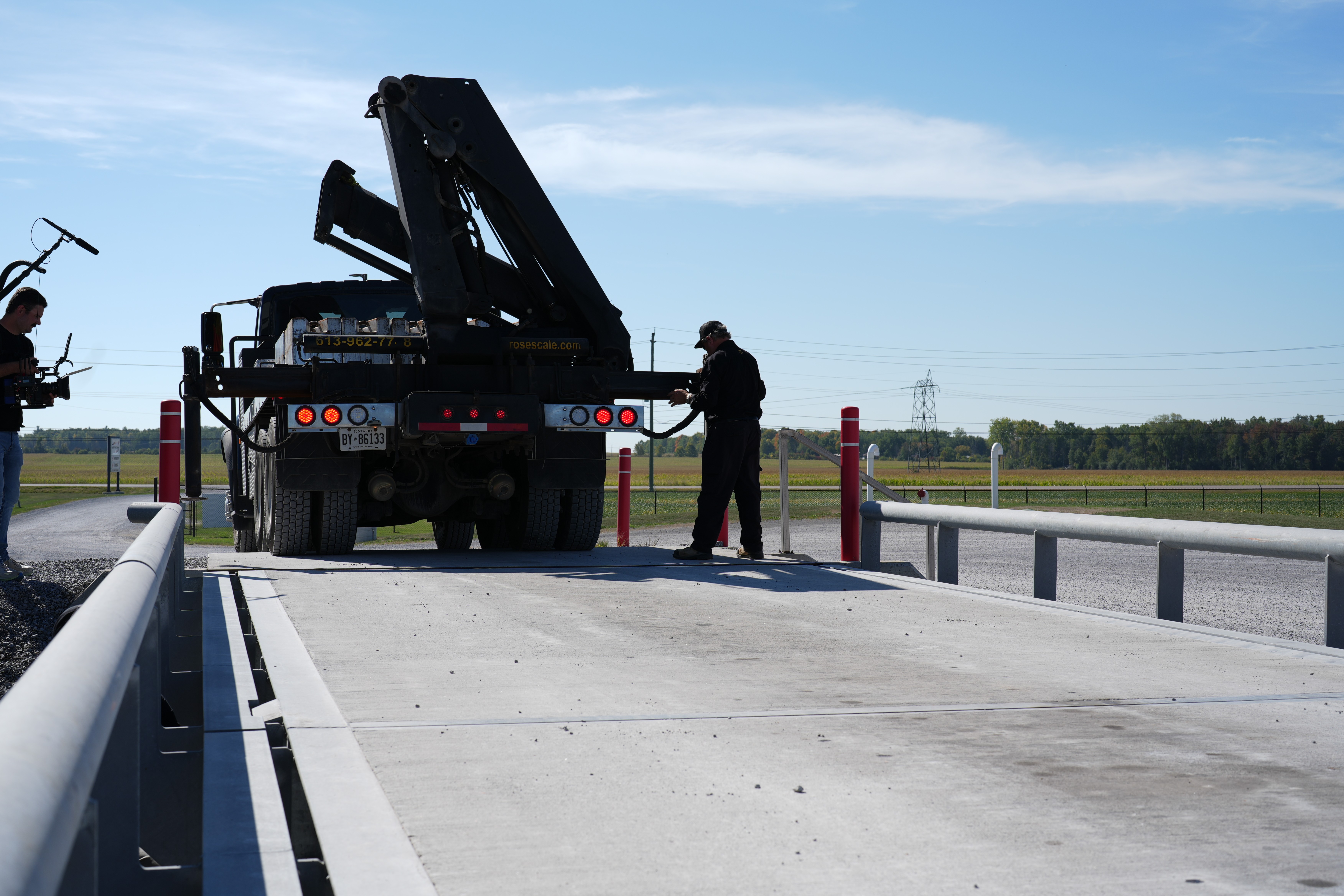
Legal for trade inspections can interrupt operations if a scale is not properly prepared. This practical checklist outlines the steps businesses can take before inspection to reduce disruption and improve the likelihood of successful verification.
If your scale is used for commercial transactions, inspection is part of doing business.
Legal for trade verification ensures that weighing equipment meets regulatory standards. When properly prepared, inspections are routine. When preparation is overlooked, they can result in delays, corrective action, or failed verification.
A structured approach reduces risk and keeps operations running smoothly.
Confirm the Inspection Scope
Before the inspection date, confirm:
Which scales will be inspected
Whether verification or re-verification is required
Any recent repairs that may affect certification
Understanding the scope ensures that all applicable equipment is ready.
Review Service Records
Have documentation organized and accessible.
This should include:
Previous verification certificates
Calibration reports
Repair records
Installation documentation if applicable
Clear records demonstrate maintenance history and simplify the inspection process.
Ensure the Scale Is Clean and Accessible
Inspectors need full access to the scale.
Before inspection:
Remove debris from the weighbridge
Clear drainage areas
Ensure the pit is clean if applicable
Provide safe access to load cells and junction boxes
Confirm that approach ramps are clear
Physical obstructions can delay or complicate inspection.
Check for Visible Damage
Conduct a visual review of:
Structural components
Weld integrity
Corrosion
Cable condition
Junction box seals
Addressing obvious issues before inspection reduces the likelihood of failure.
Verify Zero and Basic Performance
Before the inspection, perform basic operational checks:
Confirm the scale returns to zero when unloaded
Verify stability of readings
Compare against known test weights if available
If inconsistencies appear, schedule service before the inspection date.
Preventative correction is more efficient than reactive correction.
Confirm Electrical and Indicator Function
Ensure that:
The indicator powers on correctly
Displays are readable
Error codes are resolved
Communication systems are functioning if integrated
Electrical issues can prevent successful verification.
Coordinate Operational Access
On inspection day:
Ensure staff are available if needed
Coordinate truck access for testing
Allow time for test weights or test trucks
Plan for temporary operational pause if required
Proper scheduling reduces disruption.
Understand Potential Outcomes
If the scale meets tolerance requirements, certification is completed.
If it does not:
Adjustments may be required
Repairs may need to be scheduled
Re-verification may follow
Being prepared reduces the likelihood of unexpected delays.
Build Inspection into Routine Planning
The most effective way to prepare for inspection is through regular maintenance.
Scheduled calibration, structural inspection, and preventative service make formal verification a confirmation rather than a surprise.
Consistency reduces stress and operational interruption.
Final Thoughts
Measurement inspections are a standard part of operating legal for trade equipment.
Preparation protects your schedule, reduces compliance risk, and supports successful verification.
With organized documentation, clean equipment, and proactive maintenance, inspection becomes a routine confirmation of accuracy rather than a disruption.
Proper preparation ensures that your weighing systems continue operating legally and reliably.

Need New Equipment?
From a single bench scale to a full truck scale installation, we’ll help you get the right system in place from the start.

Need a Repair or Calibration?
A down scale doesn’t have to mean a down operation. Our technicians can get you back to accurate weighing fast.