
Structural integrity plays a critical role in scale accuracy. Corrosion, physical damage, and fatigue can compromise performance over time. This article explains how welding and structural repair support long-term reliability, compliance, and measurement accuracy.
When people think about scale accuracy, they often focus on electronics.
Load cells, indicators, and calibration procedures are important. But beneath every large industrial scale is a structural system that supports and distributes weight. If that structure is compromised, accuracy will suffer.
Welding and structural repair are not cosmetic services. They are essential to maintaining scale performance.
How Structure Affects Accuracy
Truck scales and heavy-duty platforms rely on balanced weight distribution.
The weighbridge, support beams, load cell mounts, and foundation all work together. If one part shifts or weakens, weight may not transfer evenly across the system.
This can result in:
Corner imbalance
Inconsistent readings
Calibration instability
Increased load cell stress
Structural integrity directly influences measurement consistency.
Corrosion and Environmental Exposure
Outdoor scales face constant exposure to weather.
Moisture, road salt, freeze-thaw cycles, and debris can accelerate corrosion. Over time, rust weakens steel components and compromises welds.
Unchecked corrosion may lead to:
Structural flexing
Cracking
Reduced load-bearing capacity
Alignment issues
Early identification and repair prevent minor corrosion from becoming major structural failure.
Physical Damage from Heavy Traffic
Truck scales experience repeated high-impact loading.
Heavy equipment, overloaded trucks, or improper approach alignment can create stress points. Sudden impact may bend structural components or damage weld seams.
Physical damage may not always be obvious from a distance. Subtle distortion can still affect load distribution.
Routine inspection helps identify stress areas before they escalate.
Structural Fatigue Over Time
Even properly installed scales experience wear.
Years of repeated loading create fatigue in metal components. Welds may weaken. Mounting points may shift slightly. Support beams may lose rigidity.
Structural fatigue does not always cause immediate failure. Instead, it gradually reduces system stability.
Addressing fatigue through reinforcement or repair maintains consistent performance.
The Importance of Proper Welding
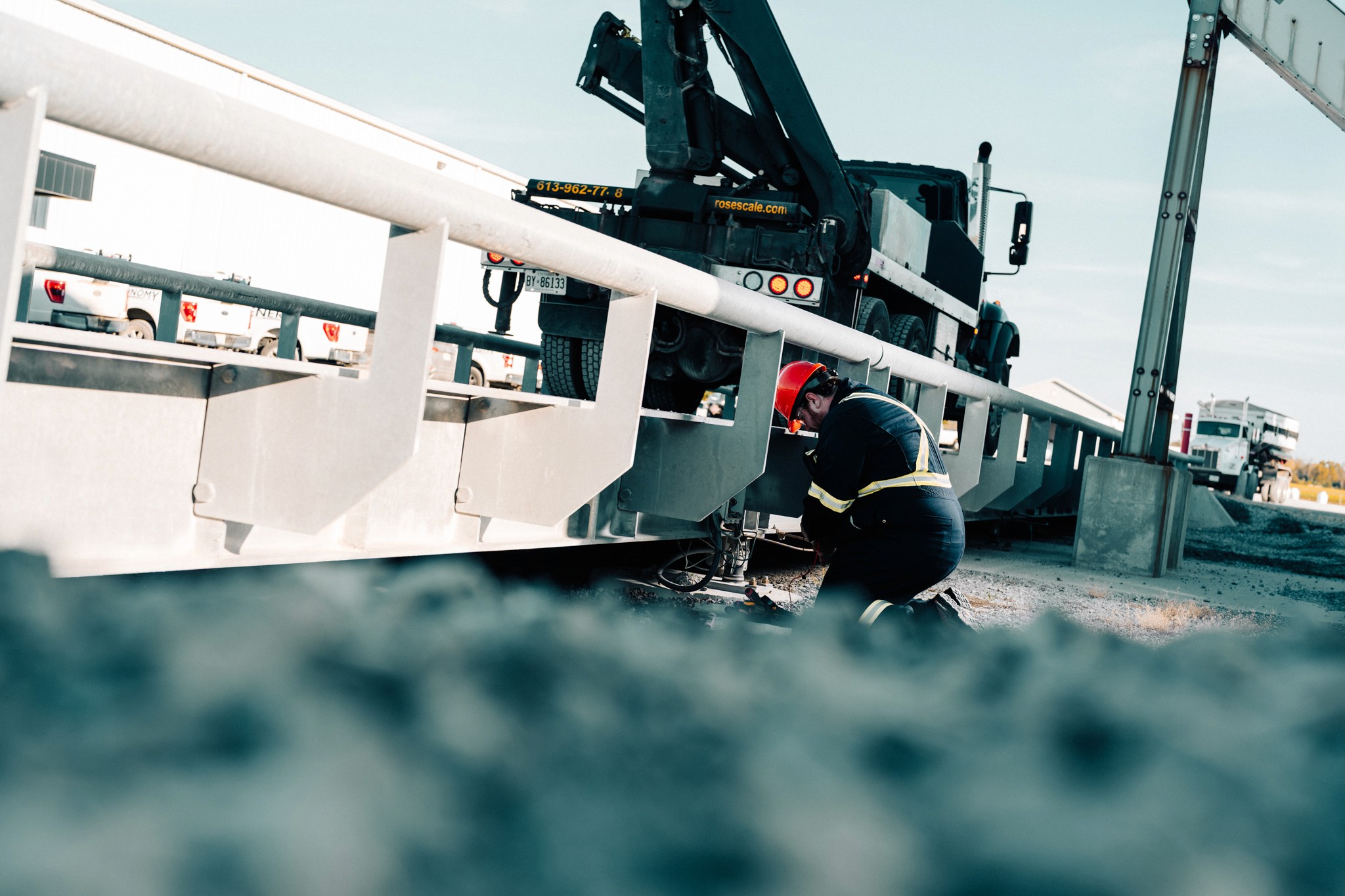
Welding repairs must be performed correctly to restore structural strength.
Improper welding can:
Create new stress points
Alter load distribution
Introduce alignment problems
Compromise compliance
Qualified technicians understand how structural changes interact with load cells and overall scale performance.
Welding repairs should support original design specifications rather than simply patch visible damage.
Supporting Compliance and Longevity
For legal for trade systems, structural integrity affects compliance.
If a scale cannot maintain calibration due to structural instability, it may fail verification.
Maintaining weld integrity and structural alignment supports:
Accurate weight distribution
Consistent calibration
Reduced load cell wear
Extended system lifespan
Structural repair is preventative as much as corrective.
Integrating Structural and Electronic Service
Effective scale maintenance combines structural inspection with electronic verification.
When structural repairs are completed, recalibration ensures that the system performs within tolerance.
Mechanical stability and electronic accuracy must work together.
Final Thoughts
Scales are not just electronic devices. They are engineered structures designed to transfer weight accurately.
Corrosion, physical damage, and fatigue affect performance over time. Proper welding and structural repair restore strength, maintain alignment, and protect accuracy.
For large industrial systems, structural integrity is foundational to reliable measurement and long-term compliance.

Need New Equipment?
From a single bench scale to a full truck scale installation, we’ll help you get the right system in place from the start.
Need a Repair or Calibration?
A down scale doesn’t have to mean a down operation. Our technicians can get you back to accurate weighing fast.