
Retail and commercial scales must meet legal for trade requirements to ensure fair transactions. This article explains what grocery stores, food processors, and commercial sellers need to know about certification, inspections, and maintaining consumer confidence.
If your business sells products by weight, accuracy is not optional.
Whether operating a grocery store, food processing facility, butcher shop, bulk food outlet, or commercial distribution center, the scales used to determine price must meet legal for trade requirements.
These regulations are in place to protect both the business and the consumer. Understanding what they involve helps ensure compliance and avoid unnecessary risk.
What Does Legal for Trade Mean?
A scale is considered legal for trade when it is approved and verified for commercial transactions where price is determined by weight.
This applies to:
Grocery store deli counters
Butcher shops
Bulk food retailers
Seafood counters
Farmers markets
Commercial food processors selling packaged goods
If money changes hands based on a displayed weight, the scale must meet regulated standards.
Why Certification Is Required
Legal for trade certification ensures that:
The scale is accurate within acceptable tolerances
The device is properly installed
The display and labeling meet regulatory standards
The measurement is reliable for consumer transactions
Certification protects consumers from being overcharged and protects businesses from undercharging or facing compliance penalties.
It also ensures fairness in the marketplace.
What Happens During an Inspection?
During verification or inspection, an authorized technician will:
Apply certified test weights
Confirm the scale measures accurately across its range
Check repeatability and consistency
Inspect seals and compliance markings
Confirm proper installation and configuration
If the scale meets requirements, it is certified for continued use.
If it does not, corrective action must be taken before it can legally be used for trade.
Common Compliance Issues
Retail and commercial environments present specific challenges.
Common issues include:
Drift due to heavy daily use
Improper leveling
Wear on mechanical components
Outdated or unapproved equipment
Tampered or broken seals
Even minor inaccuracies can lead to failed inspections.
Routine calibration reduces the likelihood of unexpected non-compliance.
The Importance of Ongoing Verification
Certification is not a one-time event.
Scales may require periodic re-verification depending on usage, regulatory requirements, or environmental conditions.
Regular service ensures that accuracy is maintained between inspections.
This is particularly important in high-volume retail environments where scales are used continuously throughout the day.
Protecting Consumer Confidence
Beyond compliance, accurate weighing supports trust.
Consumers expect fairness. If customers question the accuracy of a scale, confidence in the business may decline.
Certified scales demonstrate that:
Measurements are verified
Pricing is transparent
The business operates responsibly
Maintaining certified equipment reinforces credibility.
Documentation and Record Keeping
Proper documentation supports compliance and audit readiness.
Retailers and commercial sellers should maintain:
Verification certificates
Service records
Calibration reports
Clear documentation ensures that any inspection can be addressed efficiently.
Final Thoughts
Legal for trade requirements exist to ensure fairness in transactions based on weight.
For grocery stores, food processors, and commercial sellers, maintaining certified and accurate scales is essential. It protects revenue, supports compliance, and reinforces consumer trust.
Accurate measurement is not just a regulatory obligation. It is part of operating with integrity.

Need New Equipment?
From a single bench scale to a full truck scale installation, we’ll help you get the right system in place from the start.
Need a Repair or Calibration?
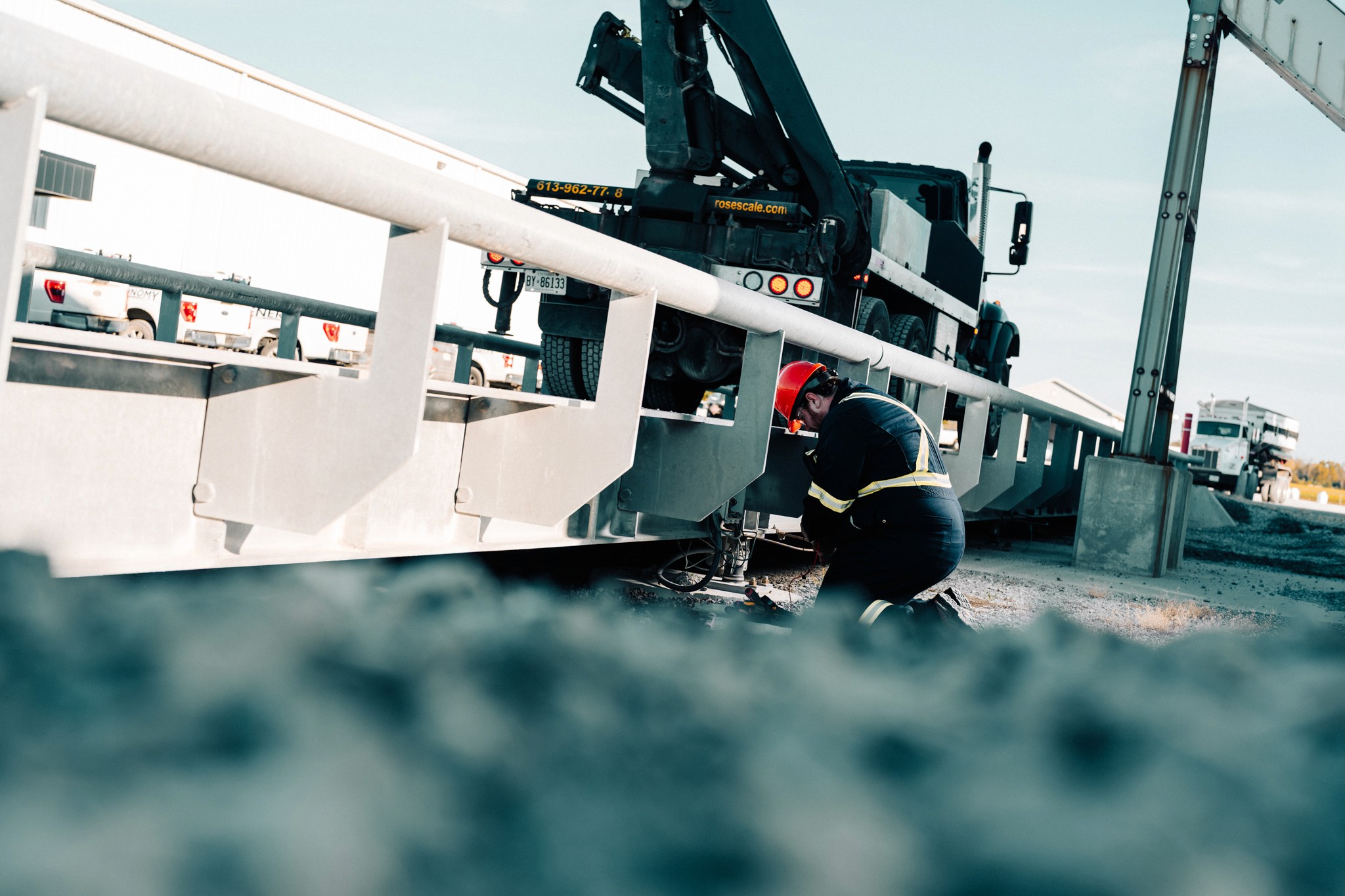
A down scale doesn’t have to mean a down operation. Our technicians can get you back to accurate weighing fast.