
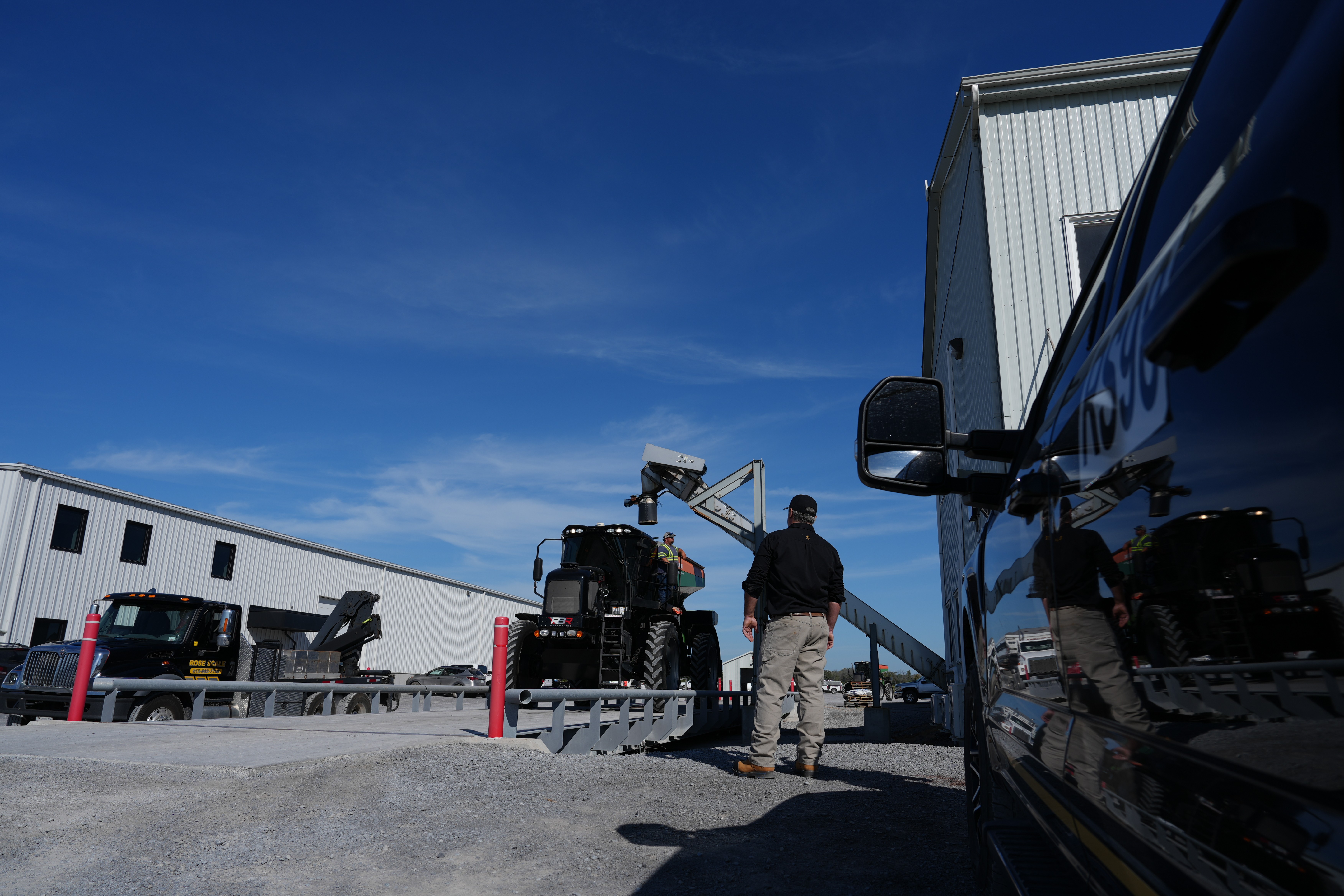
Waste and recycling operations rely on accurate measurement to protect revenue and meet reporting requirements. This article compares onboard payload systems, platform scales, and truck scales to help businesses choose the right solution for their specific waste management model.
Waste and recycling operations are not all structured the same way.
Some rely on route-based collection. Others operate transfer stations or material recovery facilities. Some manage roll-off containers, while others process bulk material on site.
The type of scale you choose should match how material moves through your operation.
Understanding the strengths of different weighing systems helps ensure accuracy, efficiency, and compliance.
Onboard Payload Systems
Onboard payload scales are installed directly on collection vehicles.
These systems measure weight as material is lifted or loaded. They are commonly used in:
Municipal waste collection
Commercial dumpster service
Roll-off container operations
Recycling collection fleets
Advantages
Real-time weight measurement at point of collection
Improved route efficiency
Transparent billing for weight-based contracts
Reduced need for frequent return trips to fixed scales
Considerations
Operate in dynamic conditions with vibration and movement
Require regular calibration
May fall under legal for trade requirements depending on application
Payload systems are ideal for route-based operations where weight must be captured during collection.
Platform Scales
Platform scales are stationary systems used to weigh carts, bins, pallets, or smaller containers.
Common applications include:
Transfer stations
Recycling facilities
Warehouse-based sorting operations
Scrap handling
Advantages
Suitable for mid-range loads
Useful for internal tracking and batching
Often easier to install indoors
Considerations
Limited capacity compared to truck scales
Typically used for smaller units rather than full vehicles
Platform scales are well suited for facilities that process material after collection rather than during transport.
Truck Scales
Truck scales measure the total weight of loaded vehicles.
They are commonly used at:
Transfer stations
Landfills
Material recovery facilities
Large recycling yards
Vehicles are weighed on entry and exit to determine net material weight.
Advantages
High capacity
Suitable for bulk transactions
Often required for legal for trade billing
Centralized control point for material flow
Considerations
Require significant installation planning
Exposed to environmental stress
May create traffic flow considerations
Truck scales are ideal for centralized facilities where inbound and outbound loads are processed in bulk.
Matching the Scale to the Business Model
Choosing the right system depends on operational structure.
For example:
Route-based collection services benefit from onboard payload systems.
Transfer stations may rely on truck scales to measure incoming loads.
Processing facilities may combine truck scales with internal platform scales for sorting and tracking.
Many operations use multiple scale types working together.
The goal is to align measurement with how revenue is generated and how material moves.
Compliance and Reporting Considerations
Waste and recycling operations often face reporting requirements related to:
Municipal contracts
Environmental regulations
Tonnage tracking
Customer billing
Accurate measurement supports compliance and transparent reporting.
Scales used for commercial transactions must meet legal for trade standards where applicable.
Understanding these requirements helps guide equipment selection.
Integration and Data Flow
Modern scale systems can integrate with:
Fleet management software
Billing platforms
Route optimization tools
Inventory and reporting systems
Choosing a scale that supports integration improves operational visibility.
Data consistency across systems protects revenue and simplifies administration.
Final Thoughts
Waste and recycling operations vary widely in structure and scale.
Onboard payload systems, platform scales, and truck scales each serve different roles. Selecting the right equipment depends on how material moves, how revenue is calculated, and what compliance requirements apply.
A well-matched weighing system improves accuracy, efficiency, and long-term reliability.
When measurement supports both operations and reporting, the entire system functions more effectively.

Need New Equipment?
From a single bench scale to a full truck scale installation, we’ll help you get the right system in place from the start.
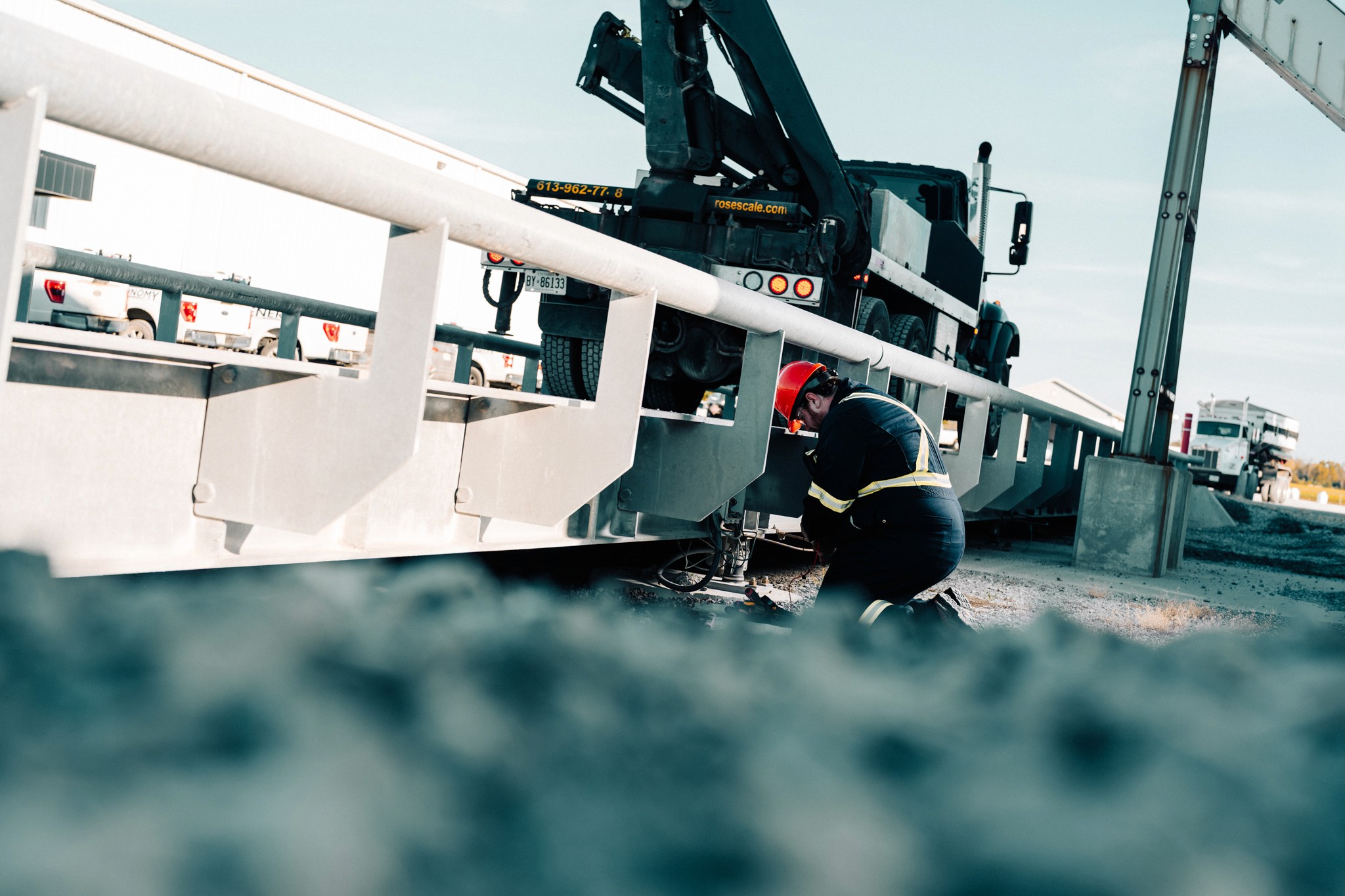
Need a Repair or Calibration?
A down scale doesn’t have to mean a down operation. Our technicians can get you back to accurate weighing fast.