
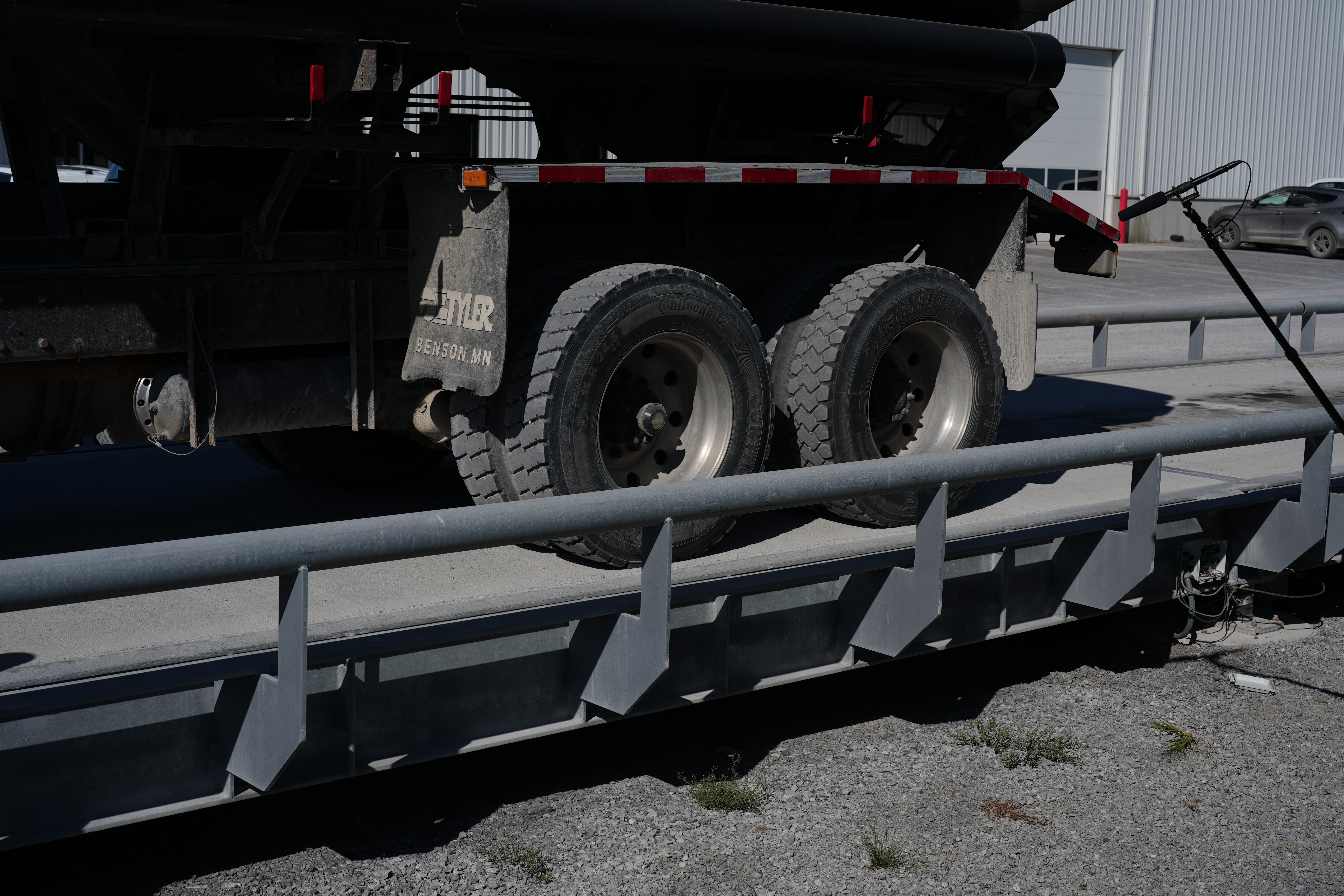
Industrial scales are long-term investments. This article outlines practical maintenance habits, inspection routines, cleaning protocols, and service scheduling strategies that help extend equipment lifespan and protect performance.
Industrial scales are built for durability.
Truck scales, floor scales, hopper systems, and conveyor scales operate under heavy load and demanding environmental conditions. With proper care, many systems can provide reliable service for decades.
However, lifespan depends less on age and more on maintenance.
Small habits and consistent inspection make a significant difference over time.
Keep the Scale Clean
Debris is one of the most common causes of premature wear.
Mud, gravel, dust, and compacted material can interfere with proper scale movement and increase stress on components.
Best practices include:
Clearing debris from around weighbridges
Removing buildup between deck edges and foundations
Keeping load cell areas clean
Ensuring pit areas remain free of standing water
Routine cleaning reduces mechanical strain and prevents corrosion.
Maintain Proper Drainage
Moisture accelerates deterioration.
Poor drainage allows water to collect around structural components and load cells, leading to corrosion and electrical instability.
Regularly:
Inspect drainage channels
Confirm water flows away from foundations
Address pooling promptly
Check for blocked sump pumps if applicable
Preventing water accumulation protects both structure and electronics.
Schedule Regular Calibration
Calibration does more than confirm accuracy.
It also serves as a performance check.
Routine calibration helps identify:
Early load cell drift
Signal irregularities
Structural imbalance
Electrical inconsistencies
Catching minor issues early prevents long-term damage.
Consistent verification supports compliance and extends system reliability.
Inspect Structural Components
Over time, heavy traffic and environmental exposure affect structural integrity.
Regular inspection should include:
Checking welds for cracking
Reviewing beams for corrosion
Observing deck alignment
Monitoring foundation condition
Addressing structural issues promptly prevents stress from transferring to load cells and electronics.
Protect Electrical Components
Modern scales rely on stable electrical systems.
Preventative steps include:
Inspecting cable jackets for wear
Confirming junction box seals are intact
Ensuring proper grounding
Installing surge protection where needed
Electrical disturbances can shorten equipment life if not addressed.
Avoid Overloading
Every scale has a rated capacity.
Repeated overloading increases strain on structural components and load cells. Over time, this reduces accuracy and lifespan.
Ensure operators understand capacity limits and follow proper loading procedures.
Responsible use protects equipment longevity.
Plan Preventative Service Programs
Reactive repair shortens lifespan.
A preventative maintenance program allows for:
Scheduled inspection
Planned part replacement
Structural reinforcement when needed
Early correction of minor issues
Regular professional service supports consistent performance and reduces emergency breakdowns.
Monitor Performance Trends
Pay attention to operational patterns.
Frequent recalibration, unstable readings, or recurring minor repairs may signal underlying wear.
Tracking service history and performance trends helps determine when intervention is needed.
Final Thoughts
Extending the lifespan of an industrial scale requires consistent attention.
Cleaning, drainage maintenance, regular calibration, structural inspection, and responsible use all contribute to long-term performance.
Scales that are maintained proactively experience fewer breakdowns, lower repair costs, and more stable accuracy over time.
With proper care, your weighing system can remain a reliable operational asset for many years.

Need New Equipment?
From a single bench scale to a full truck scale installation, we’ll help you get the right system in place from the start.
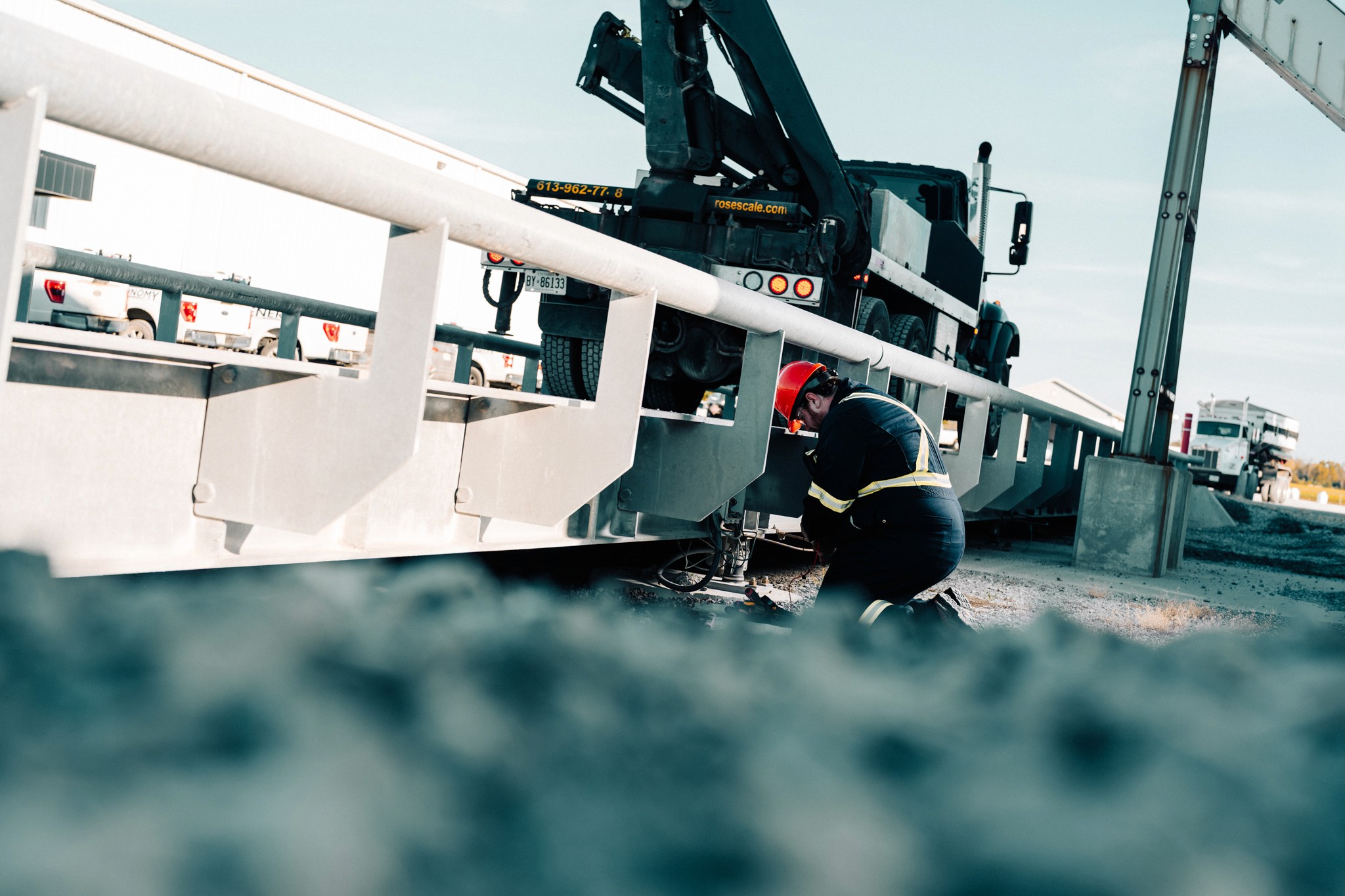
Need a Repair or Calibration?
A down scale doesn’t have to mean a down operation. Our technicians can get you back to accurate weighing fast.