
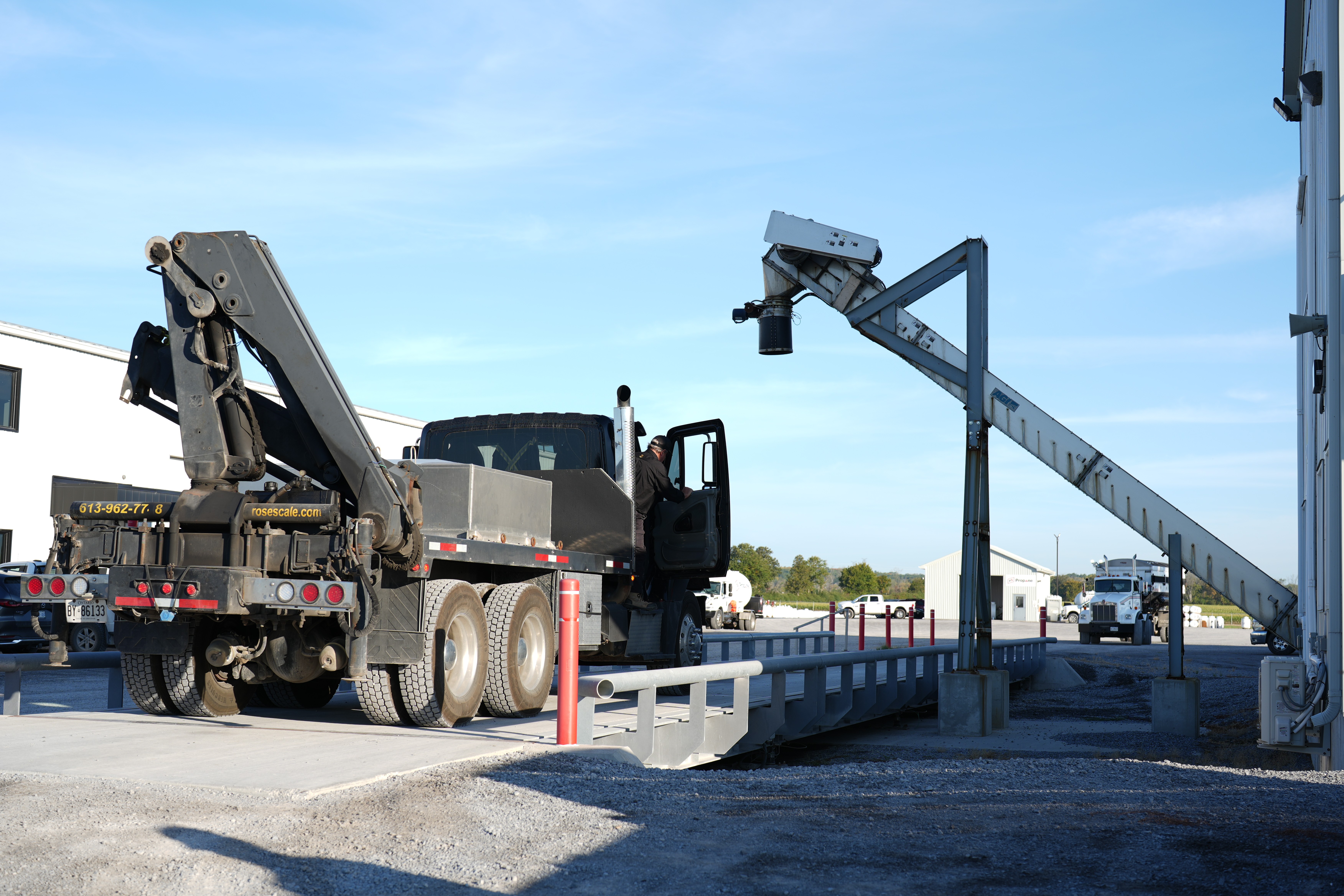
Calibration frequency depends on more than a calendar date. This article explains how industry type, usage volume, environmental conditions, and legal for trade requirements determine how often industrial scales should be calibrated.
There is no single answer to how often a scale should be calibrated.
The correct interval depends on how the scale is used, the environment it operates in, regulatory requirements, and the level of risk associated with inaccuracy.
For some businesses, annual calibration may be sufficient. For others, more frequent verification is necessary to protect revenue, compliance, and product quality.
Understanding the factors that influence calibration frequency helps you make an informed decision.
Legal for Trade Requirements
If a scale is used in commercial transactions where money changes hands based on weight, legal for trade requirements apply.
In these cases, verification must follow regulatory standards. Depending on the application and local enforcement, this may require:
Scheduled periodic verification
Certification after repairs
Inspection upon installation
Compliance obligations often set a minimum calibration interval.
Failing to maintain required verification can lead to enforcement action or interrupted operations.
High-Volume Operations
Volume matters.
In industries such as aggregates, waste management, food production, and manufacturing, scales may be used hundreds of times per day.
Frequent loading increases:
Mechanical stress
Load cell fatigue
Potential for drift
High-volume environments typically benefit from more frequent calibration checks to ensure accuracy remains within tolerance.
Even small deviations can compound quickly across large numbers of transactions.
Environmental Conditions
Outdoor scales and harsh environments introduce additional risk factors.
Exposure to:
Moisture
Freeze-thaw cycles
Road salt
Dust and debris
Temperature fluctuations
can accelerate wear and affect performance.
Truck scales in Ontario, for example, often require closer monitoring due to seasonal weather extremes.
Scales operating in controlled indoor environments may require less frequent adjustment.
Precision Requirements in Production
In blending and formulation processes, small inaccuracies can affect product consistency.
Laboratory balances and batching systems may require tighter tolerances than large truck scales used for bulk transactions.
In precision-driven environments, calibration may be scheduled:
Quarterly
Monthly
Or even more frequently depending on process sensitivity
The greater the precision requirement, the more critical regular calibration becomes.
Signs Calibration May Be Needed Sooner
Beyond scheduled intervals, certain indicators suggest a scale should be checked:
Inconsistent readings
Difficulty maintaining zero
Repeated customer disputes
Failed inspection
Recent electrical disturbance or lightning strike
Structural repair or load cell replacement
Any significant event that could affect performance should prompt recalibration.
Risk Tolerance and Financial Impact
Ultimately, calibration frequency should align with business risk.
Consider:
The cost of downtime
The financial impact of under-billing or over-billing
Regulatory exposure
Product quality standards
For operations where scale accuracy directly affects revenue or compliance, proactive calibration reduces uncertainty.
Common Calibration Intervals by Scale Type
While every operation is different, general guidelines may include:
Truck scales: annually at minimum, more often in high-volume or harsh environments
Industrial floor scales: annually or semi-annually depending on usage
Hopper and batching systems: quarterly or based on production volume
Laboratory balances: monthly or according to internal quality control programs
These are starting points. Actual schedules should be determined through evaluation of operational conditions.
Final Thoughts
Calibration is not just a regulatory task. It is an operational safeguard.
The right frequency depends on how your scale is used, the environment it operates in, and the financial or compliance risk associated with inaccuracy.
Regular evaluation and scheduled verification help ensure that your weighing systems remain accurate, reliable, and compliant throughout their lifecycle.
If you are unsure about the appropriate interval for your operation, reviewing usage patterns and environmental conditions is the first step toward building a suitable calibration plan.

Need New Equipment?
From a single bench scale to a full truck scale installation, we’ll help you get the right system in place from the start.
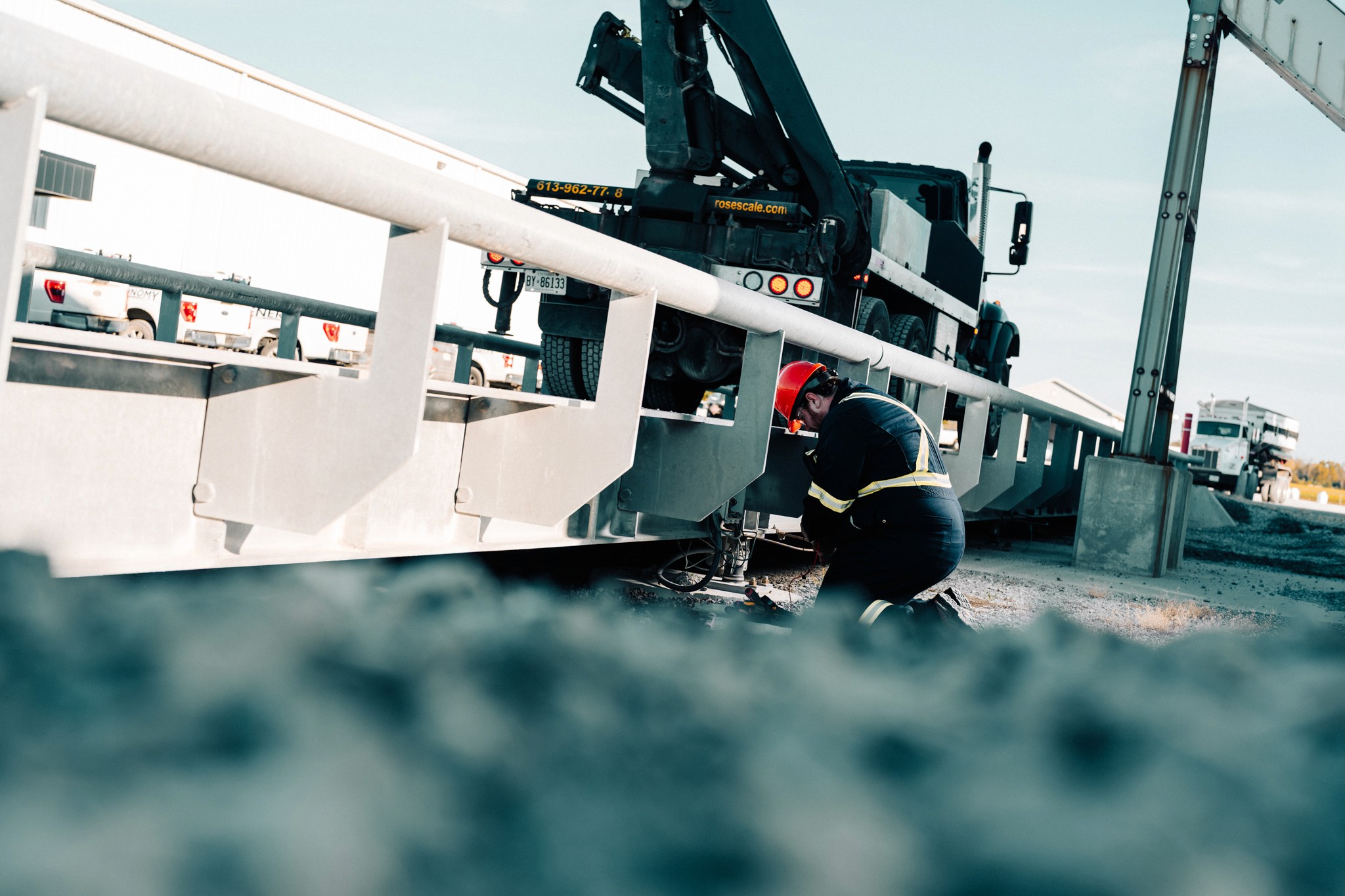
Need a Repair or Calibration?
A down scale doesn’t have to mean a down operation. Our technicians can get you back to accurate weighing fast.