
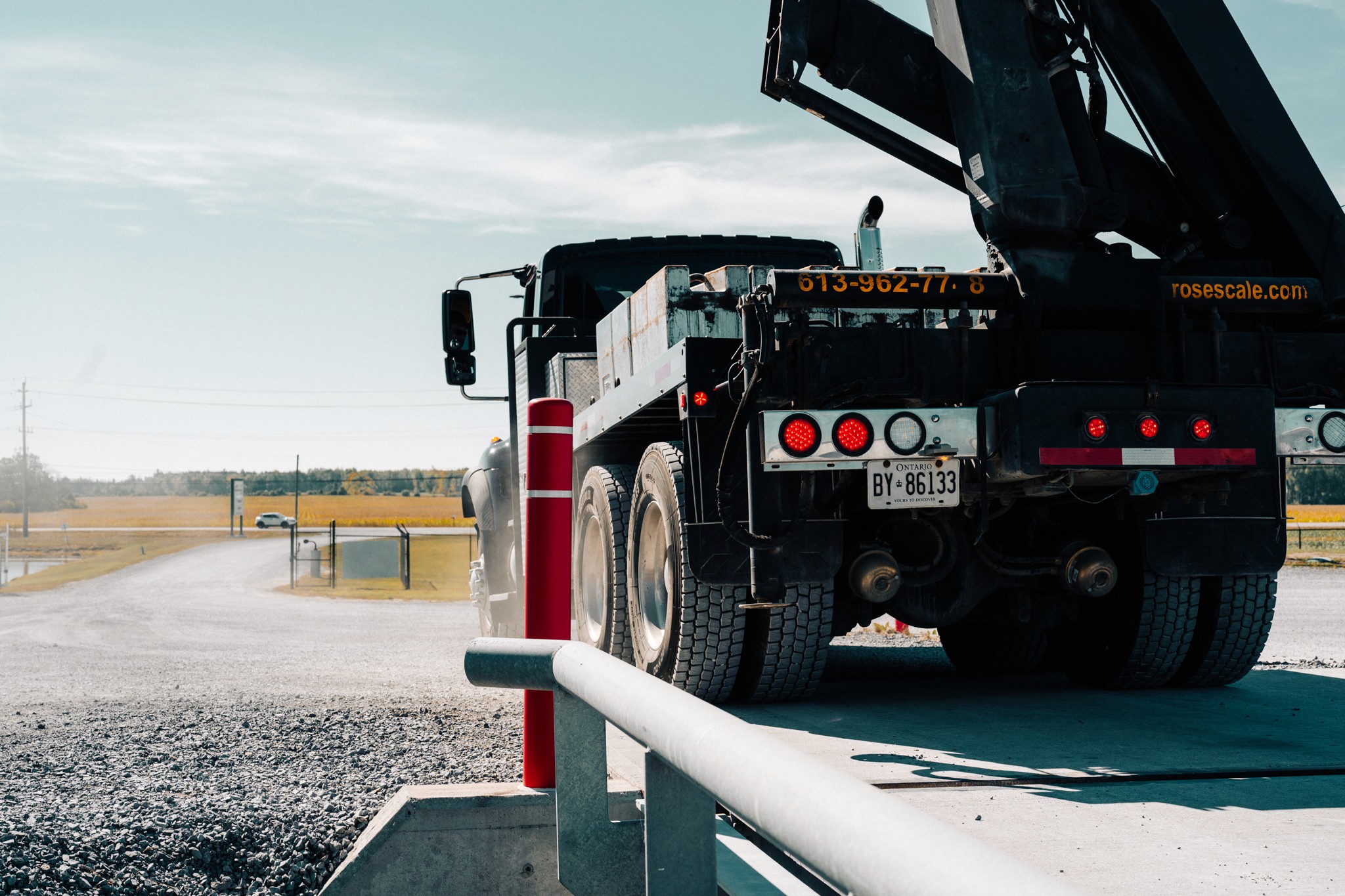
Servicing scales in remote and rural regions requires more than technical expertise. This article explains how distance, logistics, and parts availability affect response time, planning, and long-term reliability in northern and rural operations.
Not every facility is located near a major city.
Across rural and northern regions, many aggregate sites, agricultural operations, forestry yards, waste facilities, and manufacturing plants operate far from urban service centers.
In these environments, scale service is shaped as much by logistics as by technical skill.
Distance changes everything.
Travel Time Becomes a Critical Factor
In urban areas, technicians may reach a site within minutes.
In rural and northern regions, service calls may involve:
Long travel distances
Limited road access
Seasonal weather challenges
Restricted service windows
When a scale goes down in a remote location, response time directly impacts downtime.
Planning must account for geography.
Weather and Environmental Conditions
Remote regions often experience more extreme environmental conditions.
Heavy snow, freeze-thaw cycles, flooding, or seasonal road restrictions can complicate service access.
Technicians must prepare for:
Winter travel conditions
Limited on-site infrastructure
Exposure to harsh weather during outdoor repairs
Environmental preparation becomes part of service strategy.
Spare Parts Planning Is Essential
In remote locations, waiting for parts can significantly extend downtime.
If a critical load cell, indicator, or specialized component fails, shipping delays may add days to the repair timeline.
Proactive spare parts planning reduces this risk.
Operations in rural areas often benefit from:
Identifying critical components in advance
Maintaining limited on-site inventory
Coordinating preventative replacement schedules
Preparation minimizes disruption.
Equipment and Capability Matter More
Servicing large truck scales and industrial platforms requires specialized equipment.
In remote areas, a provider must arrive fully prepared.
This includes:
Certified test weights
Heavy lifting equipment
Diagnostic tools
Replacement components
There may not be nearby vendors or subcontractors available to fill gaps.
Geographic coverage is not just about distance. It is about readiness.
Fewer Service Providers
Rural and northern regions often have fewer scale service providers operating locally.
This makes selecting the right partner especially important.
Businesses must consider:
Coverage area
Response reliability
Ability to handle multiple scale types
Compliance authority
Choosing a provider without adequate regional presence may result in longer delays when urgent service is needed.
Preventative Maintenance Becomes More Strategic
In remote operations, preventative service plays an even greater role.
Because emergency response may take longer, reducing the likelihood of failure is critical.
Scheduled calibration and inspection help identify issues early, when repairs can be planned rather than reactive.
This approach improves stability in environments where immediate backup options are limited.
Communication and Coordination
Clear communication is essential when distance is involved.
Service scheduling, part availability, and on-site coordination must be handled carefully to avoid repeat travel.
Effective planning reduces unnecessary trips and ensures that technicians arrive prepared.
Final Thoughts
Remote and rural locations require a different approach to scale service.
Distance, weather, logistics, and parts availability all influence response time and reliability.
Businesses operating in northern and rural regions benefit from working with service providers who understand these realities and plan accordingly.
In environments where access is limited, preparation and geographic coverage protect uptime and operational stability.

Need New Equipment?
From a single bench scale to a full truck scale installation, we’ll help you get the right system in place from the start.
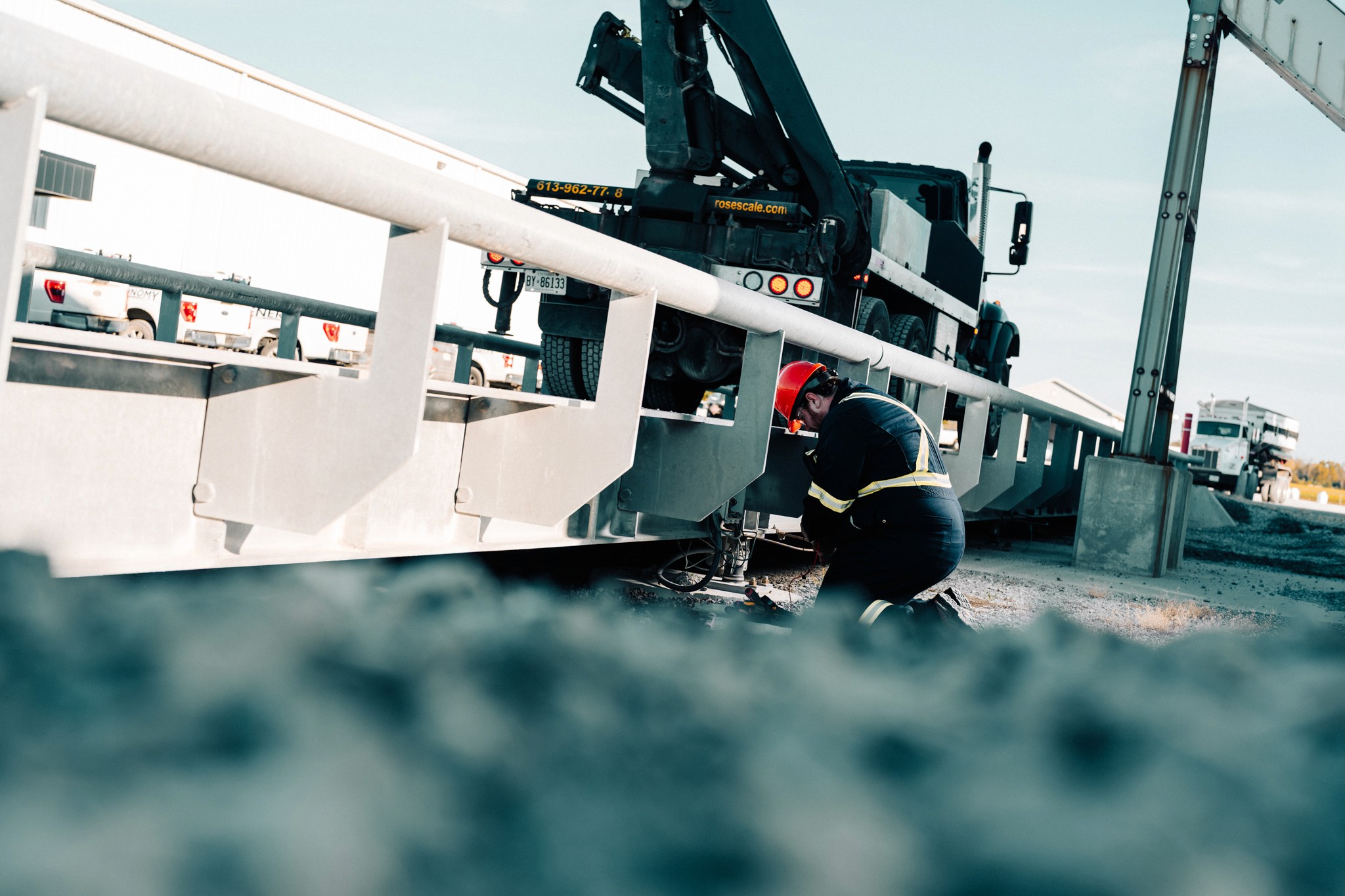
Need a Repair or Calibration?
A down scale doesn’t have to mean a down operation. Our technicians can get you back to accurate weighing fast.