
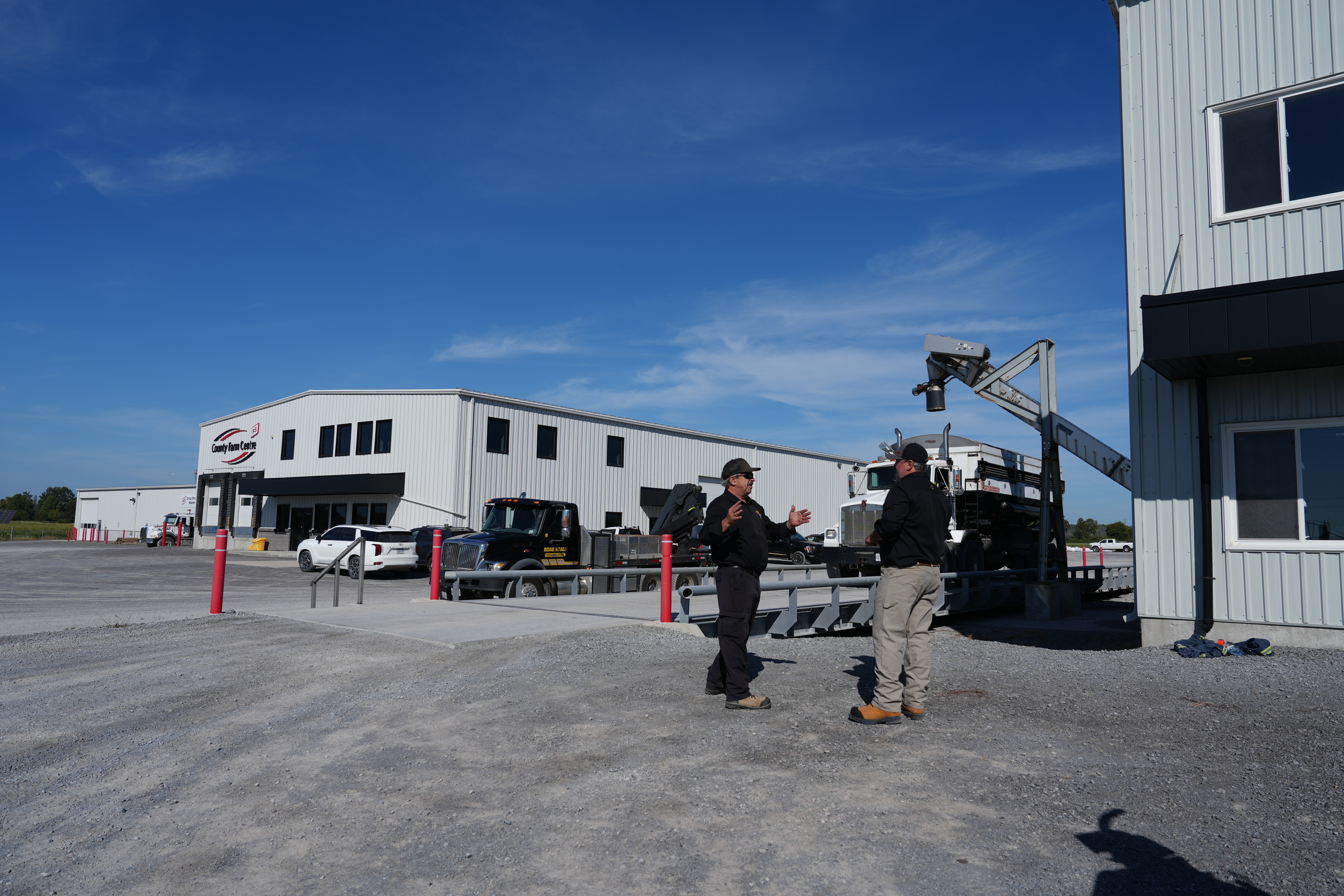
In blending and manufacturing environments, even small weight deviations can affect product consistency, quality, and compliance. This article explains how scale inaccuracy impacts formulation, increases waste, and creates avoidable rework across production operations.
In many manufacturing environments, weight is not just a number. It is a control variable.
Blending operations, batching systems, and formulation processes rely on precise ingredient ratios. Whether producing food products, feed, chemicals, construction materials, or specialty goods, consistent measurement directly affects the final result.
When scales drift out of tolerance, the impact is not always immediate. But over time, it can affect quality, efficiency, and compliance.
Precision Matters in Formulation
Formulation processes depend on defined ratios.
For example:
Food production requires accurate ingredient proportions for taste, texture, and labeling compliance.
Feed mills depend on consistent nutrient ratios.
Chemical blending requires controlled quantities to maintain safety and performance standards.
Aggregate and concrete production rely on correct material balance for structural performance.
If a scale reads even slightly high or low, each batch may fall outside intended specifications.
Small deviations may not be visible at first. But when repeated across production cycles, they compound.
The Risk of Under-Measurement
If a scale under-measures an ingredient, the final product may lack required content.
This can result in:
Reduced product performance
Inconsistent texture or density
Customer complaints
Potential regulatory concerns
In regulated industries, declared weight or ingredient ratios must meet labeling standards. Inaccurate weighing increases the risk of non-compliance.
The Risk of Over-Measurement
Over-measurement creates a different problem.
Adding too much of a costly ingredient increases production expense. Over time, this affects margins and inventory planning.
In some cases, over-measurement may also:
Alter product consistency
Create safety concerns in chemical environments
Require rework or disposal
When ingredients are expensive, even minor overages add up quickly across high production volumes.
Waste and Rework
When batches fall outside acceptable tolerances, the result is often rework or disposal.
Reworking material:
Increases labor time
Disrupts production schedules
Introduces additional handling risk
Consumes extra energy and equipment capacity
Discarded product creates direct material loss.
Both outcomes reduce operational efficiency.
Drift Often Goes Unnoticed
Scale inaccuracy in production environments is often gradual.
Load cells can drift. Environmental conditions change. Equipment wears over time. Without regular calibration and inspection, small deviations may not trigger alarms.
Because output continues, problems may only become visible when:
Quality testing identifies inconsistencies
Customer feedback increases
Inventory usage appears misaligned with production output
By the time the issue is discovered, multiple batches may already be affected.
Compliance and Documentation
In industries subject to inspection or regulatory oversight, documentation matters.
Accurate weighing systems support:
Traceability
Batch consistency records
Labeling compliance
Audit readiness
If measurement systems are not maintained within tolerance, documentation may not reflect actual product composition.
Regular calibration helps ensure that recorded data matches physical reality.
Protecting Product Integrity
Reliable weighing systems support more than compliance. They protect brand reputation.
Consistent product quality builds trust. Variability erodes it.
Maintaining accuracy through routine inspection and calibration:
Reduces formulation variability
Supports repeatable results
Minimizes waste
Protects customer confidence
In blending and manufacturing operations, accurate measurement is foundational.
Final Thoughts
Scale inaccuracy does not only affect billing or shipment weights. In production environments, it directly influences product quality and consistency.
Small deviations in ingredient ratios can create waste, rework, and compliance concerns over time.
Regular calibration and preventative maintenance help ensure that your formulation processes remain accurate, consistent, and reliable.
In manufacturing, precision protects both product integrity and operational performance.

Need New Equipment?
From a single bench scale to a full truck scale installation, we’ll help you get the right system in place from the start.
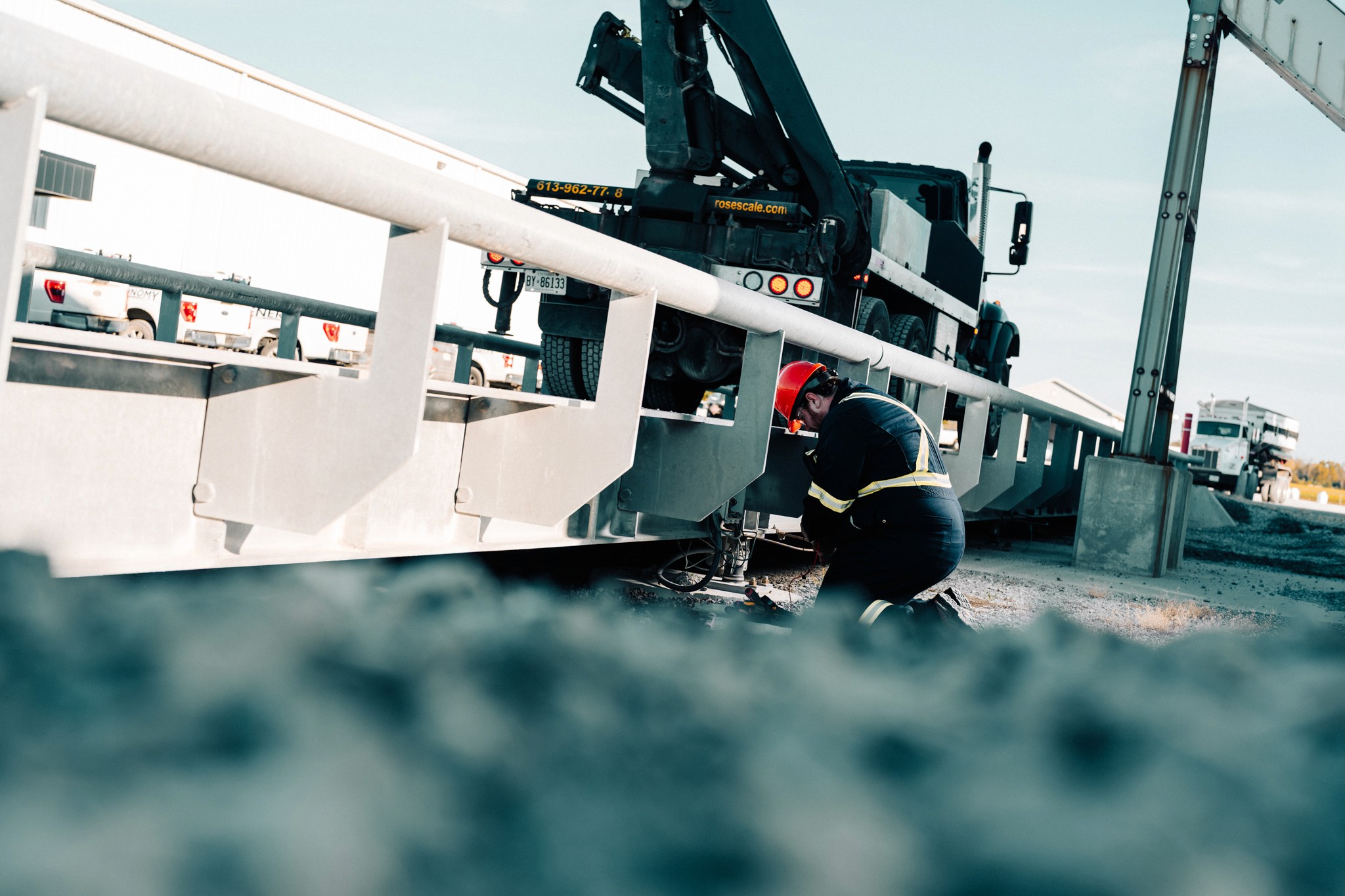
Need a Repair or Calibration?
A down scale doesn’t have to mean a down operation. Our technicians can get you back to accurate weighing fast.