
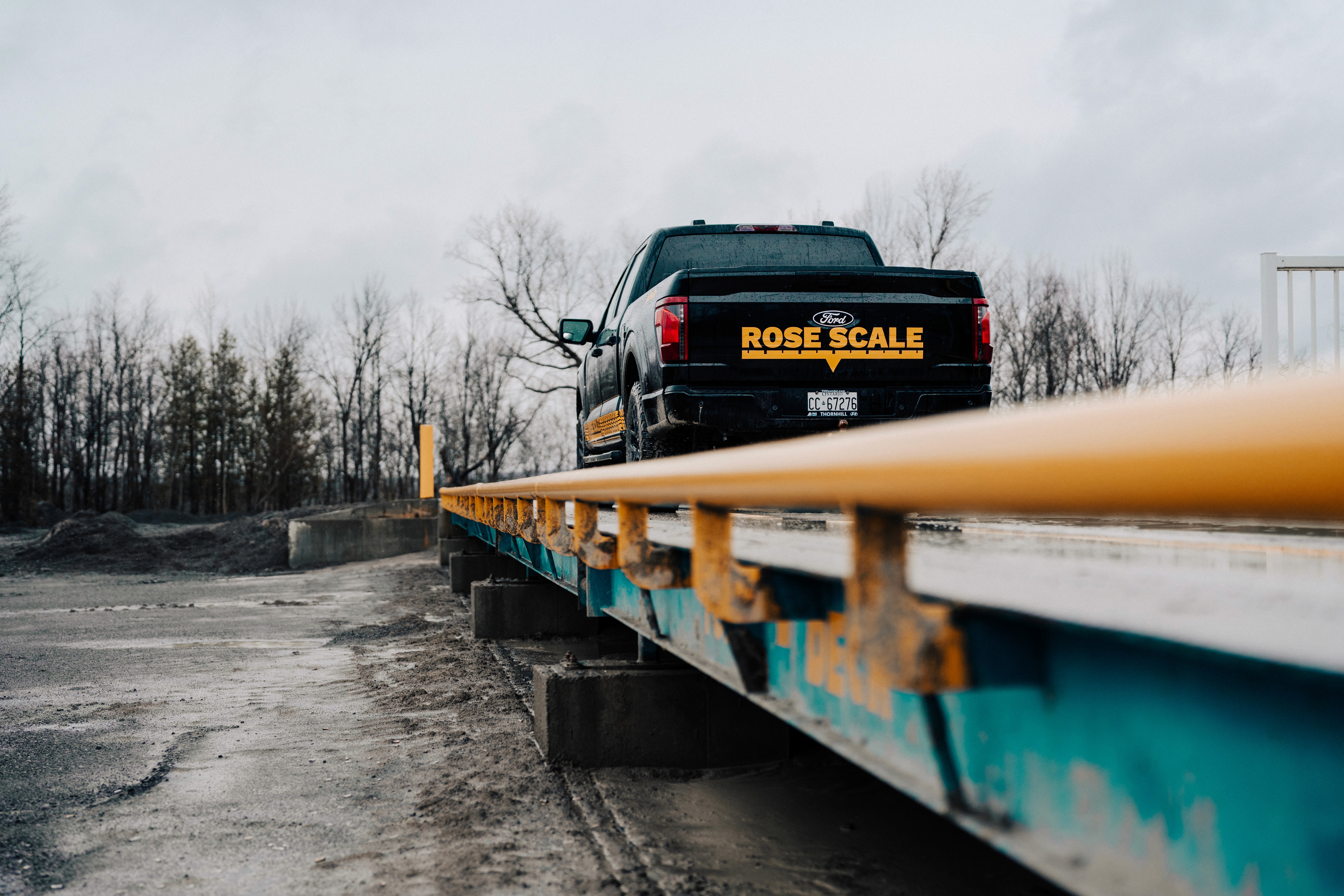
A practical guide to selecting the right industrial weighing system for your operation, from capacity to certification.
How to Choose the Right Industrial Scale for Your Operation
Choosing an industrial scale isn't just a matter of picking the highest capacity option available. The right system depends on what you're weighing, how often, and under what conditions. Get any of that wrong and you end up with equipment that's either underbuilt for the job or expensive overkill you didn't need.
Start With What You're Actually Weighing
The material matters as much as the weight. A quarry moving aggregate by the truckload has very different needs than a food processing facility weighing ingredients to the gram. Truck scales, platform scales, hopper scales, and lab-grade balances all exist because no single scale type covers every use case well.
Before looking at brands or models, get clear on:
Typical load size, and how much that varies day to day
Whether the material is solid, liquid, or bulk flow
The environment the scale will sit in, indoors, outdoors, exposed to dust or moisture
Match Capacity to Real Use, Not Worst Case
It's tempting to size up "just in case," but an oversized scale often means reduced precision at your actual, everyday load range. A scale rated far beyond what you typically weigh can lose accuracy at the lower end of its range, which matters if your billing or compliance depends on tight tolerances.
A better approach is sizing for your typical maximum, with reasonable headroom, not the rare outlier load you might see once a year.
Confirm It Meets Legal-for-Trade Requirements
If the scale is used for billing, invoicing, or any transaction where weight determines a price, it needs to be Measurement Canada certified. This isn't optional, and it isn't something you can add later without recertification. Any industrial weighing system used commercially in Canada should be built and installed with this requirement in mind from day one.
Think About Integration Early
Modern industrial scales often need to talk to other systems, ERP software, ticketing platforms, or automated production lines. Retrofitting that connection after installation is possible, but it's more expensive and more disruptive than planning for it up front. If integration is part of your operation, say so before the scale is selected, not after.
Plan for Service, Not Just Purchase
A scale is only as reliable as the support behind it. Ask who calibrates it, how quickly they can respond if it goes down, and whether the company selling it also services what they install. A system with no local service plan is a liability waiting to surface at the worst possible time.
Rose Scale has been sizing and installing industrial weighing systems across Eastern and Northern Ontario since 1969. If you're weighing your options, we're happy to walk through what actually fits your operation.

Need New Equipment?
From a single bench scale to a full truck scale installation, we’ll help you get the right system in place from the start.
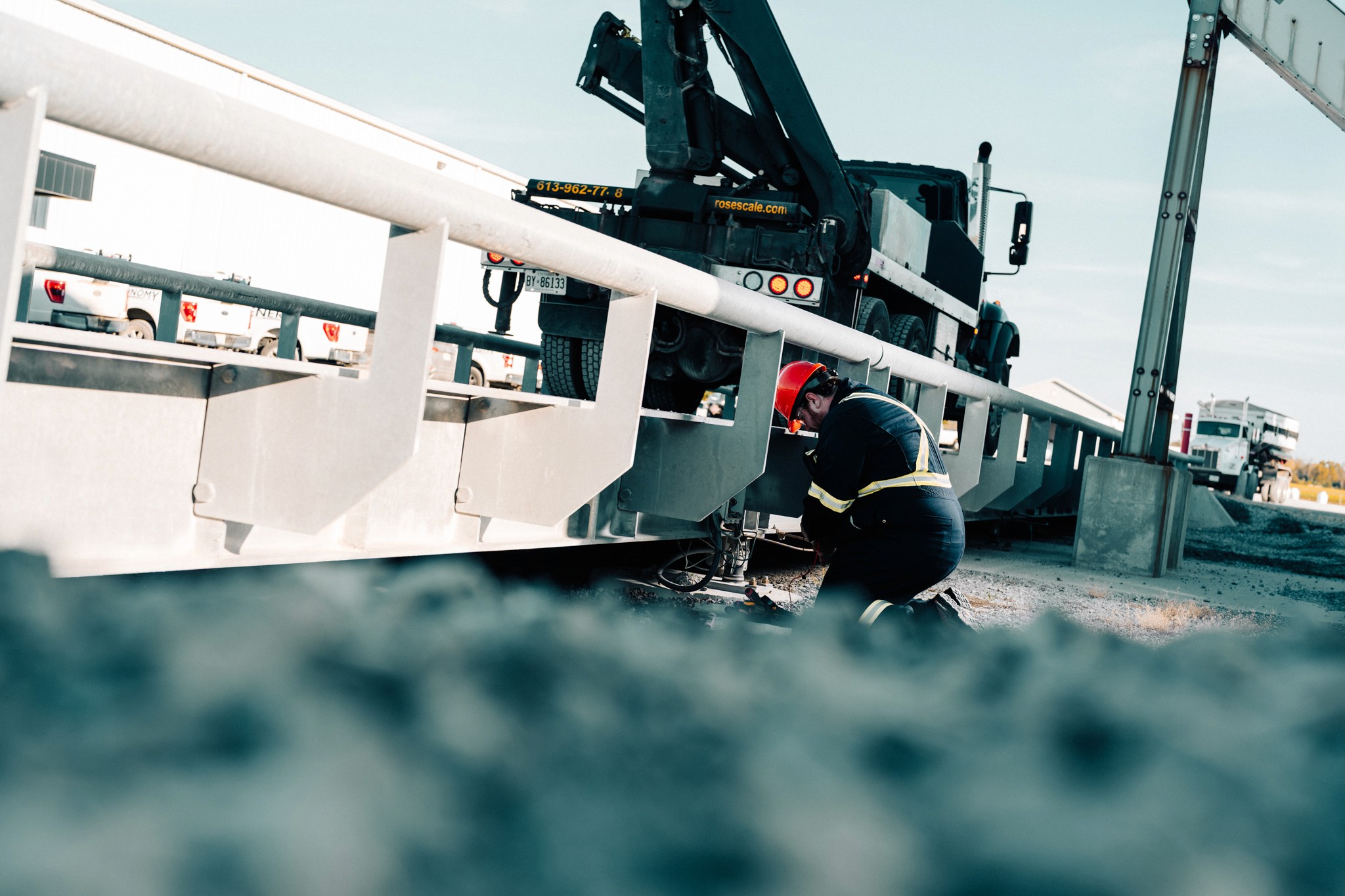
Need a Repair or Calibration?
A down scale doesn’t have to mean a down operation. Our technicians can get you back to accurate weighing fast.