
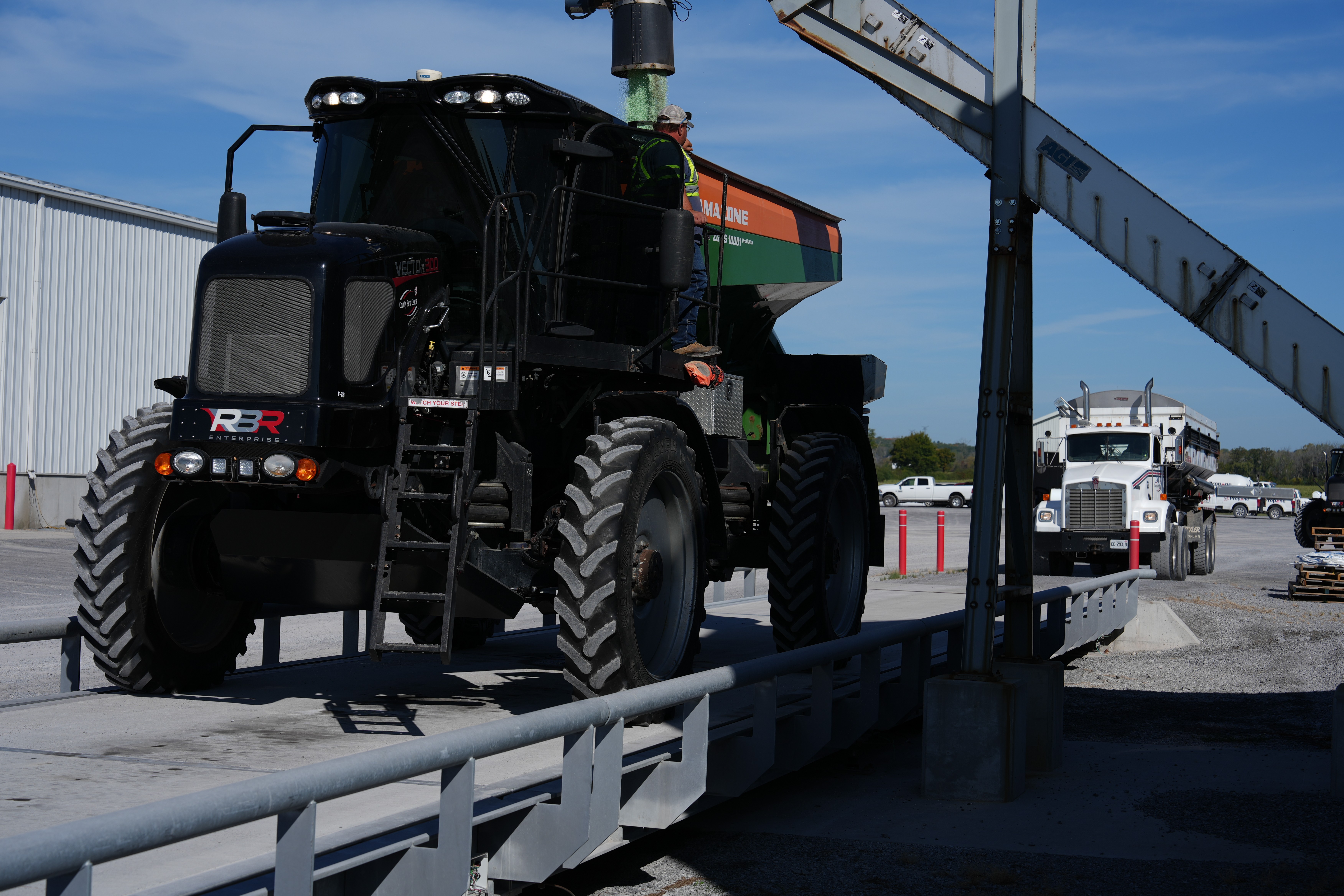
In aggregate operations, small weighing inaccuracies can quietly erode profit over time. This article explains how revenue leakage happens in high-volume environments and how regular verification protects margins.
Aggregate operations run on volume.
Gravel pits, sand plants, and quarry sites move large quantities of material every day. Revenue is typically generated by the tonne, and truck scales serve as the final checkpoint before material leaves the yard.
In this environment, even small inaccuracies can have significant financial impact.
Revenue leakage does not usually happen through dramatic failure. It happens gradually.
How Small Errors Multiply
In high-volume environments, small deviations compound quickly.
For example:
A truck scale reading slightly light may undercharge customers.
A batching system drifting out of tolerance may misallocate material.
A calibration error may go unnoticed across hundreds of daily loads.
If a scale under-registers by a small percentage, the impact across dozens of trucks per day becomes measurable. Over weeks and months, that impact grows.
Because production continues and trucks keep moving, the loss may not be immediately visible.
Under-Billing vs Over-Billing
Revenue leakage often involves under-billing.
If material is leaving the site without being fully accounted for, margins shrink quietly.
Over-billing creates a different risk. While it may appear financially beneficial in the short term, it increases the likelihood of disputes, damaged relationships, and compliance issues.
Both scenarios undermine long-term stability.
Accurate measurement protects both revenue and reputation.
High Throughput Increases Risk
Busy seasons increase the risk of unnoticed inaccuracy.
When truck traffic is heavy and staff are focused on throughput, small discrepancies are easier to overlook.
Calibration drift, load cell fatigue, and environmental interference may not be detected immediately.
High throughput multiplies small errors.
Routine verification during peak periods is especially important.
Environmental and Mechanical Factors
Aggregate operations expose scales to:
Dust and debris
Moisture and mud
Freeze-thaw cycles
Heavy impact loading
These conditions accelerate wear and increase the likelihood of drift.
Regular cleaning, inspection, and structural assessment reduce long-term risk.
Environmental maintenance is part of revenue protection.
The Role of Regular Verification
Verification confirms that the scale is measuring within acceptable tolerance.
This includes:
Applying certified test weights
Checking corner balance
Confirming repeatability
Reviewing system performance across load ranges
Regular verification ensures that billing data reflects actual material movement.
It also provides documentation that supports compliance and transparency.
Monitoring Trends and Reporting
Modern scale systems often integrate with reporting software.
Monitoring data trends can reveal:
Unusual weight patterns
Inconsistent averages
Variations between shifts
Sudden changes following weather events or repairs
Reviewing this information regularly helps identify issues before they affect margins significantly.
Protecting Margins Through Proactive Maintenance
Revenue protection in aggregate operations requires proactive attention.
This includes:
Scheduled calibration
Structural inspection
Drainage maintenance
Load cell evaluation
Reviewing integration with billing systems
The cost of preventative service is typically lower than the cost of prolonged inaccuracy.
Final Thoughts
In aggregate operations, small errors rarely remain small.
Because of high volume and continuous activity, minor inaccuracies can quietly erode profit over time.
Regular verification, preventative maintenance, and performance monitoring protect margins and ensure that each load leaving the yard reflects accurate measurement.
In a business built on volume, precision protects profitability.

Need New Equipment?
From a single bench scale to a full truck scale installation, we’ll help you get the right system in place from the start.
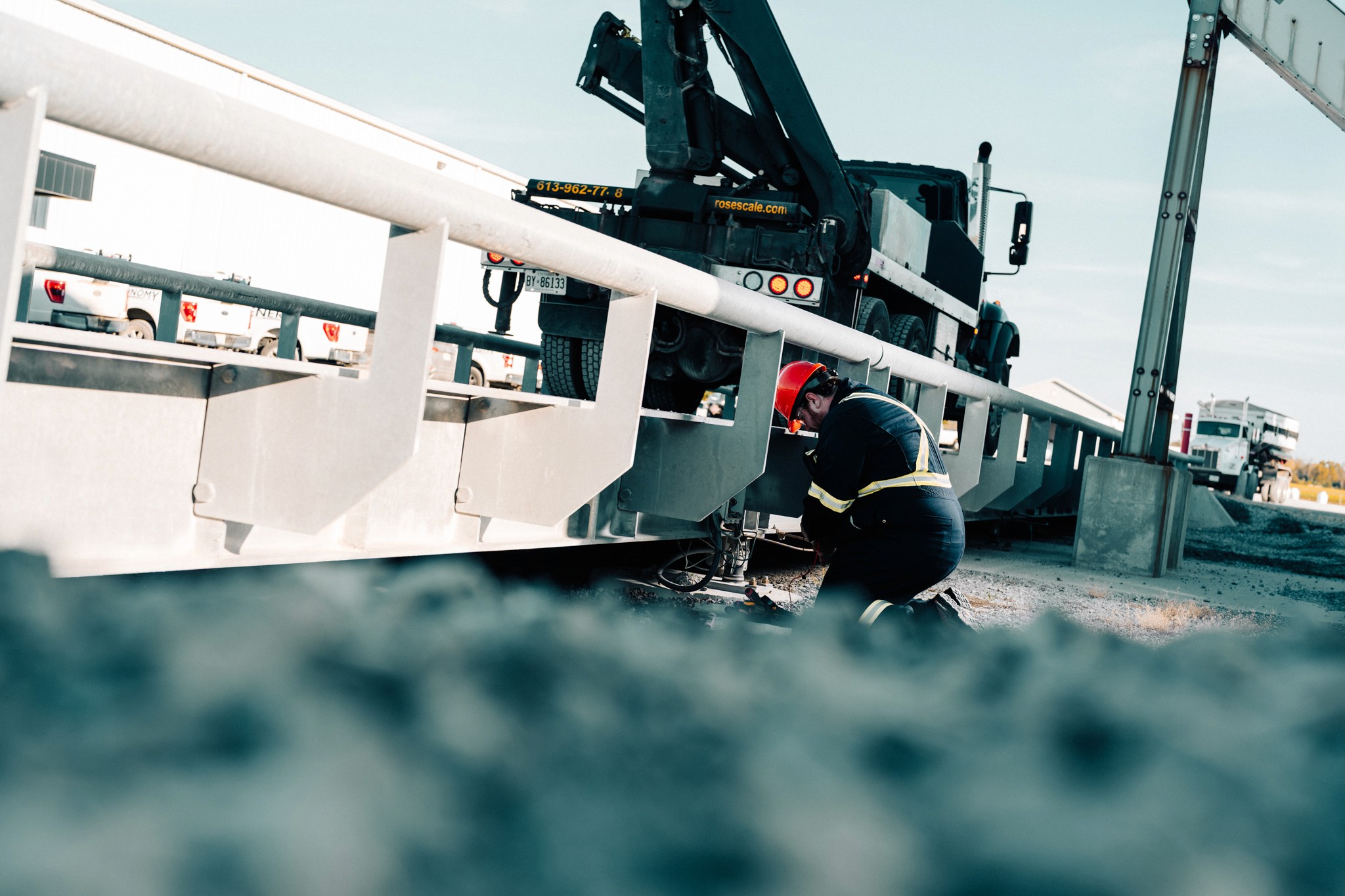
Need a Repair or Calibration?
A down scale doesn’t have to mean a down operation. Our technicians can get you back to accurate weighing fast.