
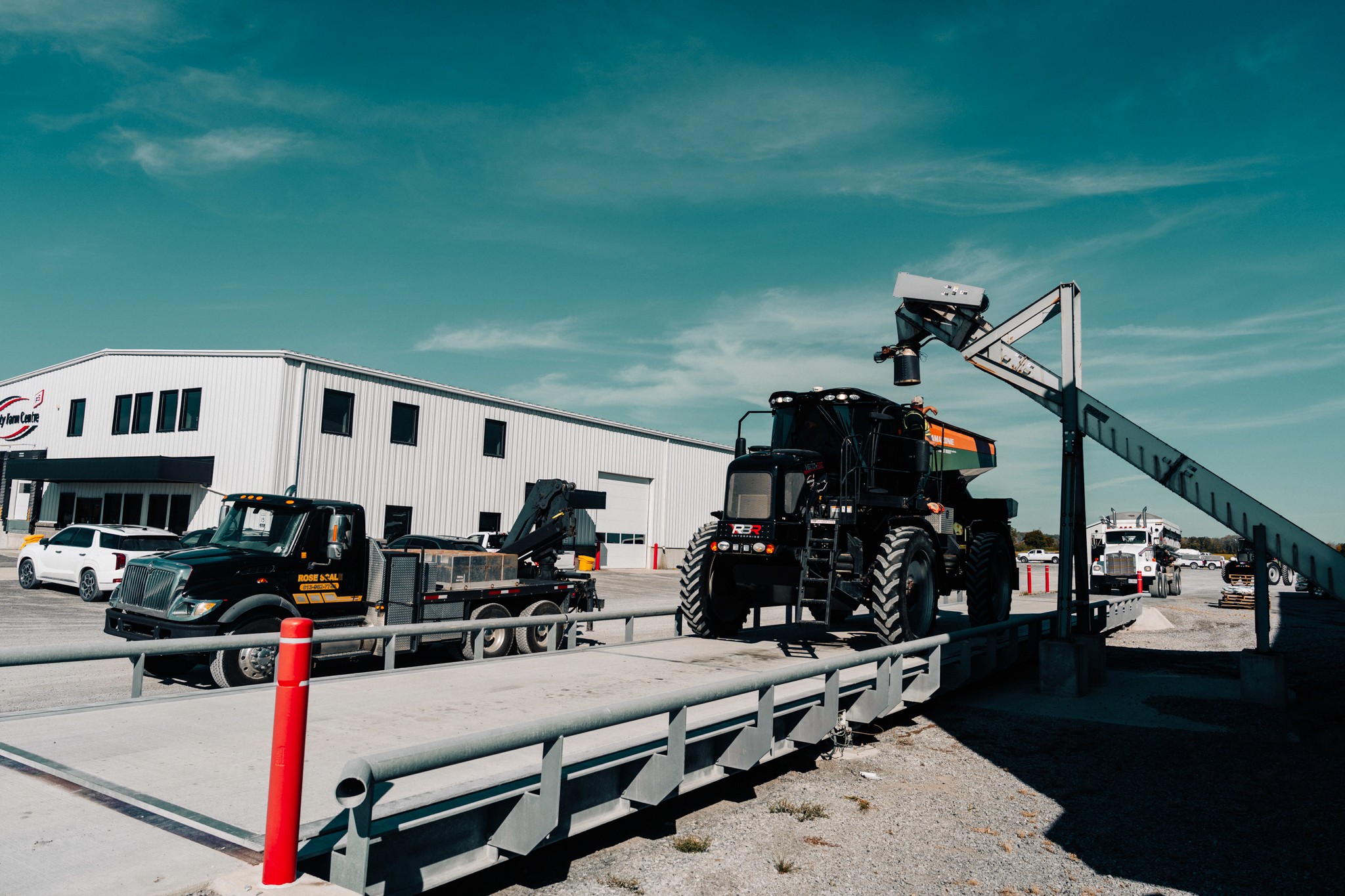
Load testing is a critical step in verifying the accuracy and compliance of large-scale weighing systems. This article explains what load testing involves, why it is required for truck scales and industrial platforms, and how certified test weights and specialized equipment ensure reliable performance.
Large-scale weighing systems carry significant responsibility.
Truck scales, heavy-duty platform scales, and industrial batching systems are often used in legal for trade transactions or high-volume production environments. Accuracy is not optional. It directly affects revenue, compliance, and operational trust.
Load testing is one of the most important procedures used to verify that these systems are performing correctly.
What Is Load Testing?
Load testing is the process of applying certified test weights to a scale to verify its accuracy across its operating range.
For large-scale systems, this typically involves:
Placing certified test weights directly on the weighbridge
Using test trucks loaded with calibrated weights
Checking multiple points across the platform
Verifying performance at different load levels
The goal is to confirm that the scale responds accurately and consistently under real operating conditions.
Load testing goes beyond simply turning the system on and checking the display. It measures performance under actual weight.
Why Load Testing Is Required
In many applications, load testing is required for legal for trade compliance.
For example:
Truck scales used to buy or sell material by weight
Industrial platforms involved in commercial transactions
Systems subject to regulatory inspection
Verification ensures that both buyer and seller can rely on the accuracy of the measurement.
Even outside regulated environments, load testing provides operational assurance. It confirms that revenue is being measured correctly and that production data reflects actual material movement.
The Role of Certified Test Weights
Not all weights are equal.
Certified test weights are calibrated and traceable to recognized standards. They are documented and maintained to ensure their accuracy.
Using certified weights ensures that:
The verification process is reliable
Results are defensible during inspection
Adjustments are made based on known reference values
For large truck scales, heavy test weights are required. These are often handled with cranes or specialized lifting equipment due to their size and mass.
Proper handling and placement are critical to obtaining accurate results.
Verifying More Than Total Weight
Load testing does more than confirm total capacity.
It also checks:
Corner performance
Section accuracy
Repeatability
Linearity across load ranges
For truck scales and large platforms, weight must be distributed properly across the deck during testing. Uneven response may indicate structural issues, load cell problems, or alignment concerns.
Comprehensive testing identifies these issues before they affect operations.
Preventing Revenue Loss and Disputes
Without load testing, scale drift may go unnoticed.
Over time, environmental exposure, mechanical wear, or electronic issues can cause gradual inaccuracy. If left uncorrected, this may result in:
Under-billing
Over-billing
Transaction disputes
Regulatory findings
Regular load testing provides documented assurance that the scale remains within tolerance.
Specialized Equipment and Expertise
Large-scale systems require more than basic tools.
Effective load testing depends on:
Properly maintained test trucks
Certified weight sets
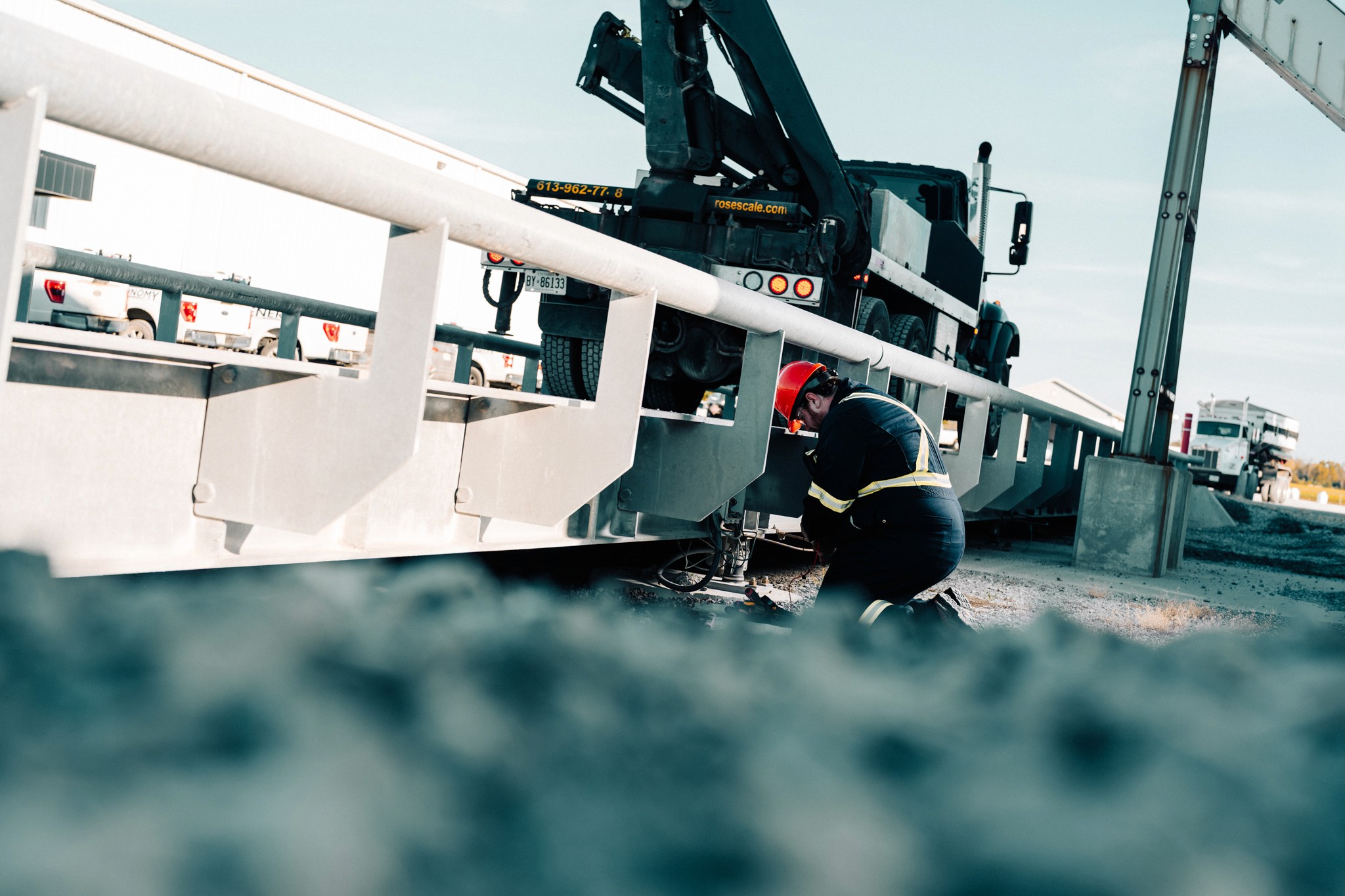
Trained technicians
Understanding of structural and electronic systems
Handling heavy test weights safely and accurately requires experience. Proper procedure ensures that the test itself does not introduce error.
A well-equipped service provider invests in both the equipment and training necessary to perform these verifications correctly.
How Often Should Load Testing Be Performed?
Frequency depends on:
Regulatory requirements
Operational volume
Environmental conditions
Risk tolerance
Many legal for trade systems require scheduled verification. In high-volume or high-impact operations, additional testing may be advisable.
Regular testing reduces uncertainty and helps prevent unexpected compliance issues.
Final Thoughts
Load testing is not simply a formality. It is a safeguard.
For truck scales and industrial platforms, accuracy affects revenue, compliance, and customer confidence. Certified test weights and proper procedures ensure that weighing systems perform as intended under real conditions.
In large-scale operations, load testing protects both financial performance and operational integrity.

Need New Equipment?
From a single bench scale to a full truck scale installation, we’ll help you get the right system in place from the start.
Need a Repair or Calibration?
A down scale doesn’t have to mean a down operation. Our technicians can get you back to accurate weighing fast.