
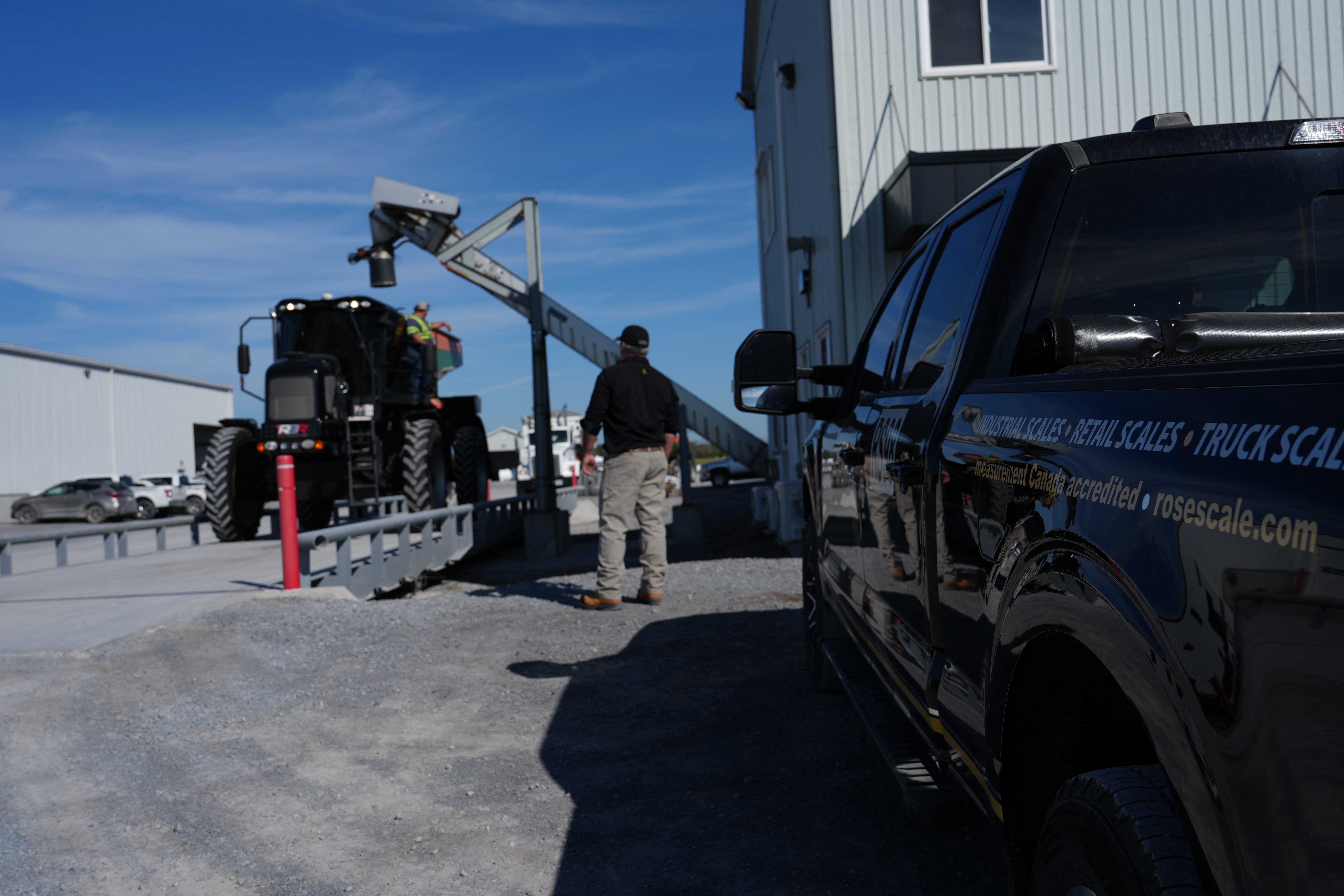
Scale accuracy matters in every season. During busy periods, small errors multiply across high volumes. During slower periods, tighter margins make even minor losses more noticeable. This article explains why regular calibration protects revenue year-round.
For many industrial operations, the year is not consistent.
Aggregate sites ramp up in construction season. Waste volumes fluctuate. Agricultural and forestry operations move in cycles. Manufacturing plants experience peaks and slowdowns depending on demand.
Through all of it, one constant remains: accurate measurement protects your margins.
What changes between busy and slow seasons is how inaccuracies affect your business.
During Busy Seasons, Small Errors Multiply
When volume increases, the risk of unnoticed loss increases with it.
If your operation is weighing hundreds of loads per day, even a small deviation can compound quickly.
For example:
A truck scale reading slightly light means material is leaving without being fully billed.
A batching system drifting out of tolerance can waste raw materials at scale.
A conveyor scale with minor error can distort production reporting across large tonnage.
In high-volume periods, staff are focused on throughput. Trucks are moving. Production is running at capacity. Small inconsistencies are easier to overlook.
Because volume is high, small errors multiply across many transactions.
The financial impact may not be obvious immediately, but over weeks or months it can become significant.
During Slow Seasons, Margins Are Tighter
When business slows, margins matter more.
Lower volume means every load represents a larger share of total revenue. If a scale is inaccurate, the effect is felt more quickly.
In slower periods:
Under-billing reduces already limited revenue.
Over-billing increases the risk of disputes when customer relationships matter most.
Inaccurate batching increases waste that cannot be absorbed by high throughput.
Slow seasons often bring closer scrutiny of financial performance. Inaccuracies that may have blended into high volume periods become more visible.
This is when businesses often discover drift that has been developing for months.
Calibration Is Not Seasonal
Some operations treat calibration as something to focus on only before inspection or during peak season.
In reality, scale drift does not follow a calendar.
Environmental conditions change throughout the year. Freeze thaw cycles, moisture exposure, heavy use, and electrical disturbances all affect weighing systems over time.
Regular calibration ensures that:
Load cells remain within tolerance
Indicators display accurate values
Legal for trade requirements are maintained
Production systems remain consistent
Consistency in maintenance prevents surprises.
High Volume Hides Problems. Low Volume Reveals Them.
Busy seasons can mask inaccuracy because revenue appears strong overall. Slow seasons can expose those same inaccuracies because every transaction carries more weight in the financial picture.
In both cases, accuracy matters.
A well-maintained scale performs consistently whether you are weighing ten loads a day or two hundred.
Protecting Revenue Year Round
Scale accuracy is not just about compliance. It is about operational discipline.
Year-round calibration and preventative maintenance:
Reduce cumulative revenue loss
Protect customer relationships
Support reliable reporting
Prevent emergency downtime
Maintain confidence in every transaction
Whether your operation is at peak capacity or moving through a slower cycle, accurate measurement protects your foundation.
Final Thoughts
Seasonal fluctuations are part of many industries. Scale drift and inaccuracy should not be.
During busy seasons, small errors multiply quietly.
During slow seasons, tight margins amplify their impact.
Regular calibration and preventative service ensure that your weighing systems remain reliable in every part of the year.
Accuracy is not a seasonal concern. It is a constant requirement for stable operations.

Need New Equipment?
From a single bench scale to a full truck scale installation, we’ll help you get the right system in place from the start.
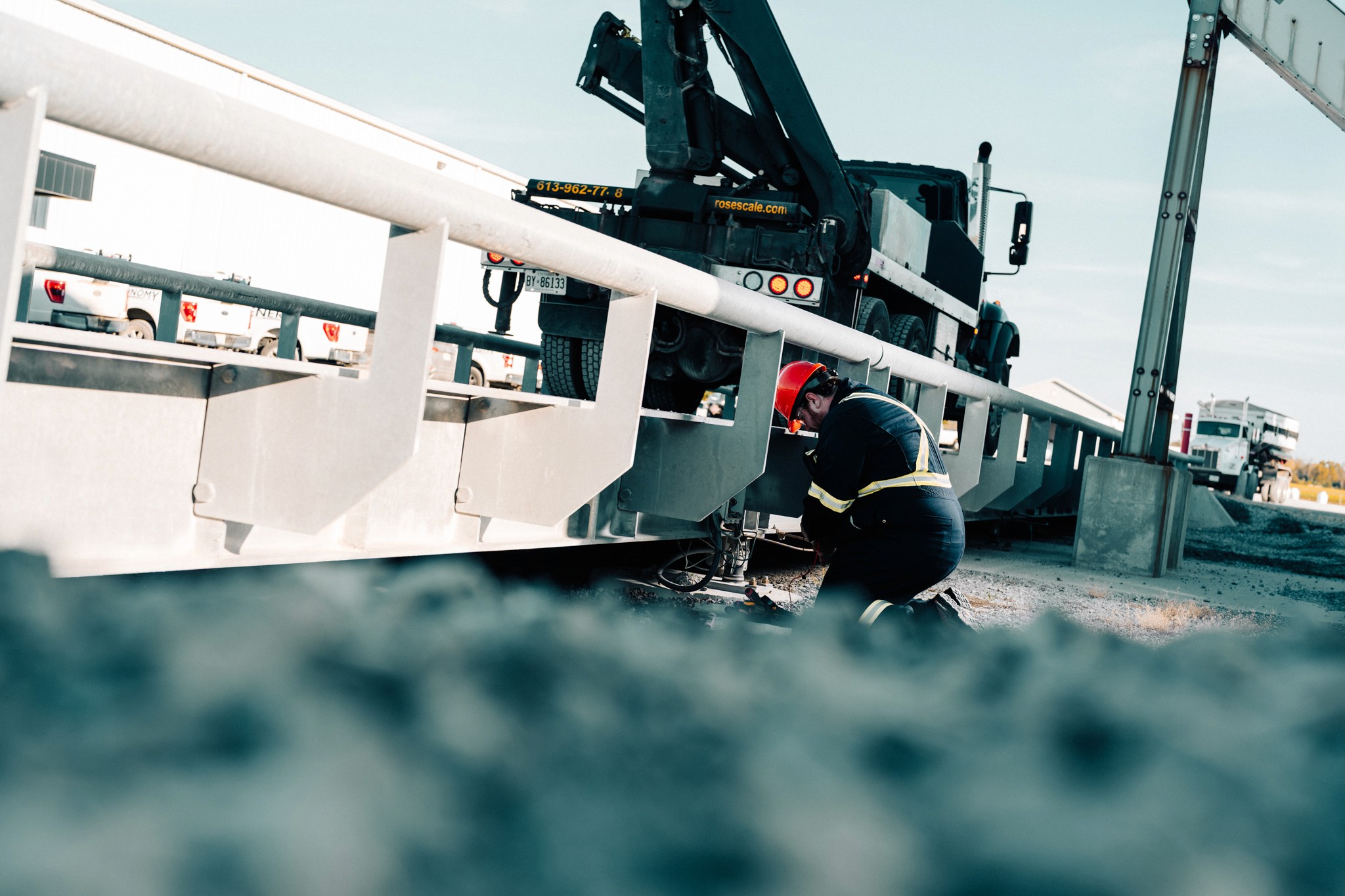
Need a Repair or Calibration?
A down scale doesn’t have to mean a down operation. Our technicians can get you back to accurate weighing fast.