
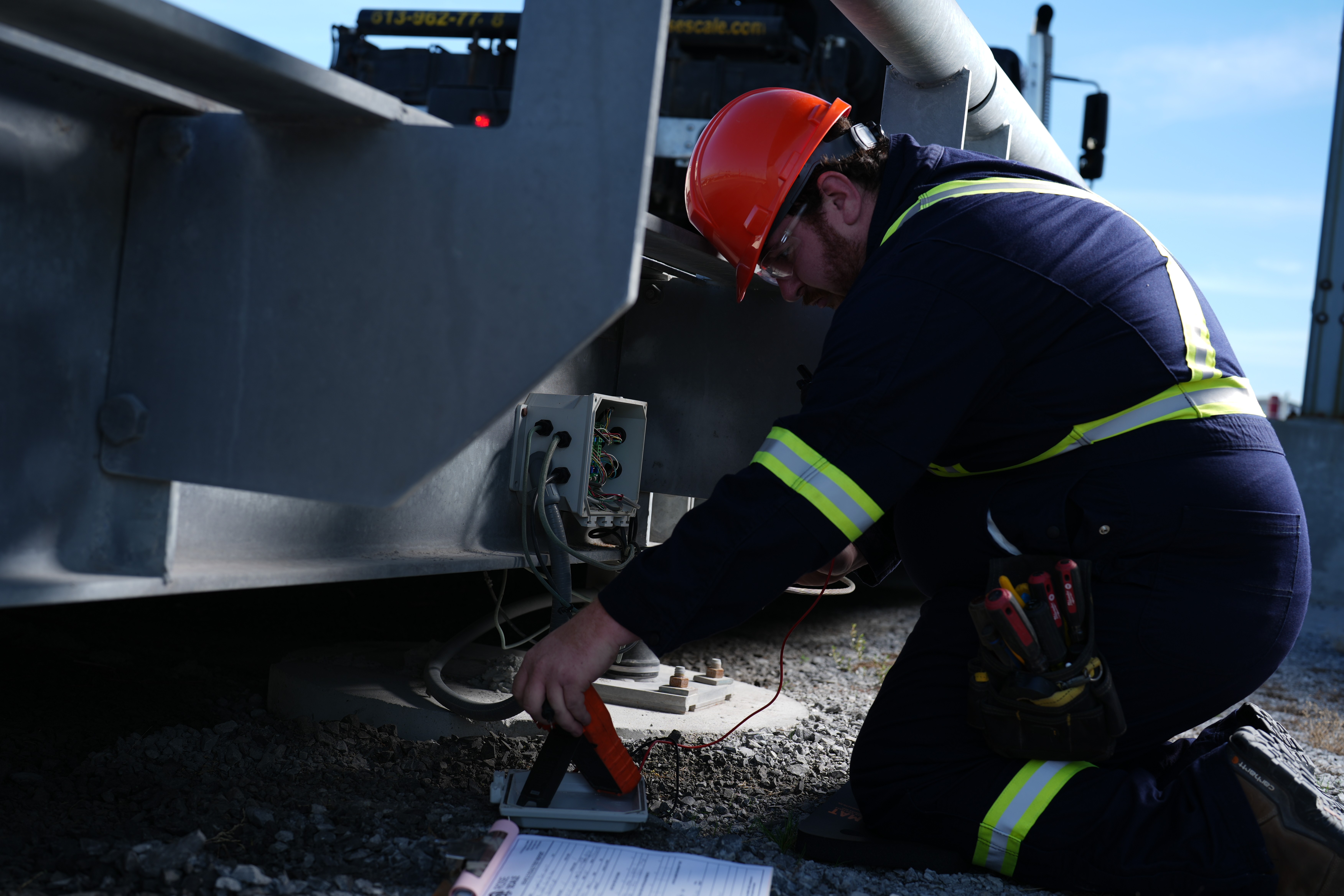
When a truck scale goes down, operations do not simply slow down. They often stop. This article outlines the operational and financial impact of truck scale failure in aggregate, waste, and recycling environments, and explains why preventative maintenance and spare parts planning are critical.
In many industrial operations, the truck scale is not just a piece of equipment. It is a revenue point.
At gravel pits, recycling facilities, aggregate operations, forestry sites, and waste transfer stations, every load in and out depends on accurate weighing. When a truck scale fails, the impact is immediate and often significant.
Understanding that impact helps explain why preventative service and planning matter.
Operations Can Slow Down or Stop Completely
A truck scale controls the flow of material leaving or entering a site.
If the scale becomes inoperable, businesses may face:
Delayed outbound shipments
Incoming material bottlenecks
Long lineups of trucks
Frustrated drivers and customers
Missed delivery windows
In some cases, operations may need to pause entirely until the issue is resolved. Even temporary workarounds can create inefficiencies and confusion.
When a scale is central to dispatch and billing, there is little room for downtime.
Revenue Is Directly Affected
Truck scales are often legal for trade devices. That means loads are billed by weight.
If the scale is down and no certified backup system exists, the business may not be able to complete transactions legally. Even short interruptions can result in lost sales opportunities.
If the scale is operational but inaccurate, the financial impact can be less obvious but just as serious.
An under-reading scale means product is leaving the yard without being fully billed.
An over-reading scale can lead to customer disputes and damaged relationships.
In high-volume environments, small inaccuracies add up quickly.
Administrative and Customer Impact
When weighing is interrupted, it affects more than equipment.
Office staff may need to manage complaints, explain delays, or adjust invoices. Dispatch teams may need to reroute trucks or reschedule loads.
Customers may lose confidence if they experience inconsistent weights or repeated delays.
In competitive industries such as aggregates and waste management, reliability matters. A single day of disruption can affect long term perception.
Common Causes of Truck Scale Failure
Truck scales operate in demanding environments.
Common causes of failure include:
Electrical disturbances or lightning strikes
Moisture intrusion and drainage issues
Load cell damage or drift
Structural wear or foundation movement
Debris buildup in the weighbridge area
Because truck scales are exposed to weather, heavy traffic, and high stress, they require regular inspection and maintenance.
Most failures do not occur without warning. Small issues tend to develop over time.
The Importance of Preventative Maintenance
Preventative service helps identify minor issues before they become operational problems.
Regular calibration and inspection can detect:
Early load cell drift
Cable or junction box deterioration
Structural alignment concerns
Drainage or debris issues
Scheduled maintenance reduces the risk of sudden downtime. It also supports compliance for legal for trade applications.
Preventative programs allow businesses to plan service around production schedules rather than reacting to emergency breakdowns.
Spare Parts Planning Reduces Risk
For operations in remote or high-volume environments, spare parts planning is critical.
Certain components such as load cells, indicator units, or specialty electronics may not be immediately available if failure occurs. Waiting on parts can extend downtime.
Having a strategy in place, whether that means stocking critical components or ensuring rapid access to replacement parts, reduces the duration and impact of unexpected failures.
In some cases, redundancy planning may also be appropriate.
Downtime Is Often More Expensive Than Maintenance
The cost of preventative service is predictable.
The cost of unplanned downtime includes:
Lost production
Delayed shipments
Overtime labor
Administrative disruption
Potential lost customers
When viewed in context, regular inspection and maintenance are often the more economical choice.
Final Thoughts
When a truck scale goes down, the impact is not limited to a single piece of equipment. It affects operations, revenue, and customer relationships.
For businesses that rely on truck scale accuracy to generate income, reliability is essential.
Preventative service, proper calibration, and spare parts planning are not simply maintenance tasks. They are part of protecting the flow of your operation.

Need New Equipment?
From a single bench scale to a full truck scale installation, we’ll help you get the right system in place from the start.
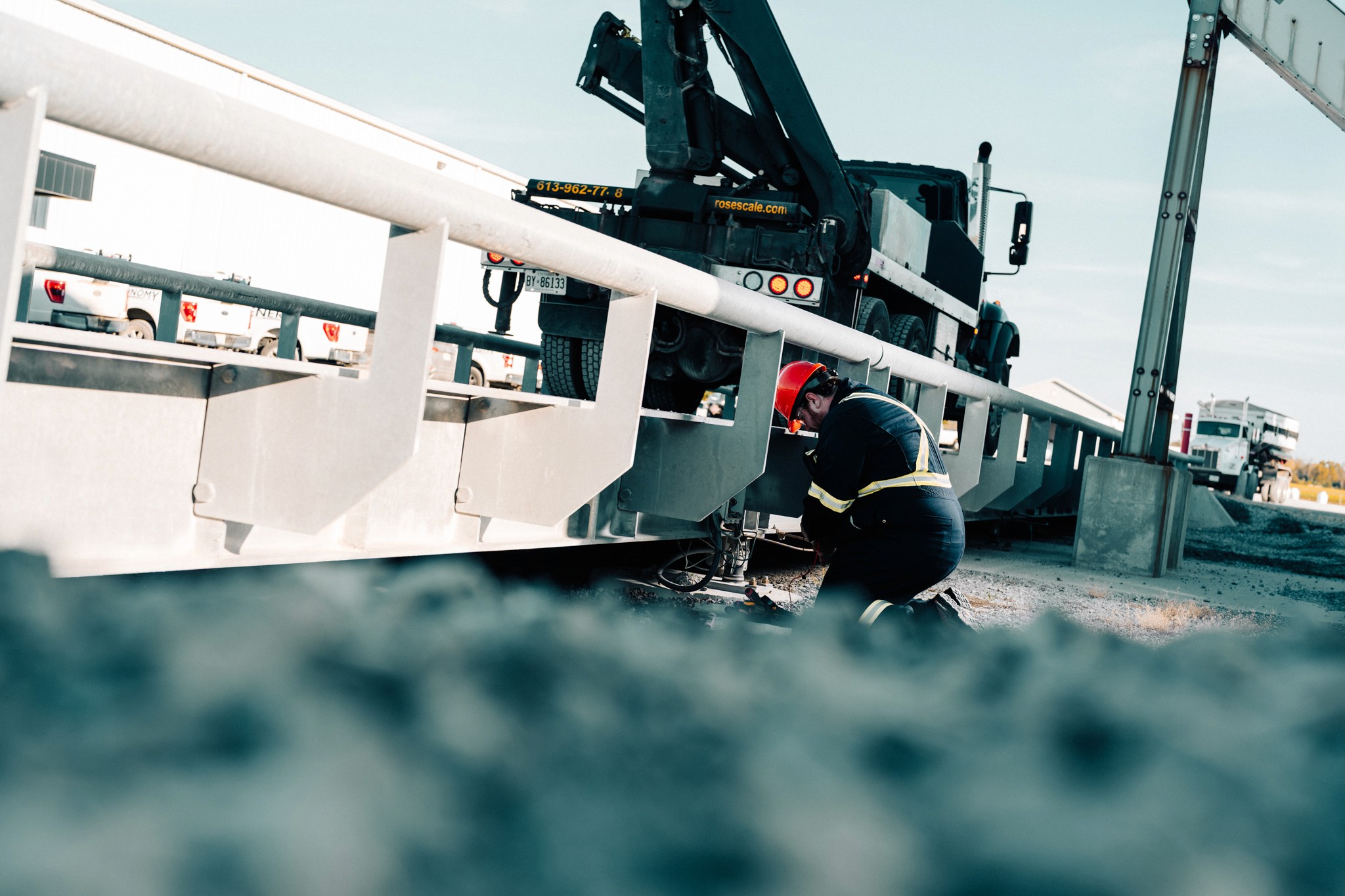
Need a Repair or Calibration?
A down scale doesn’t have to mean a down operation. Our technicians can get you back to accurate weighing fast.