
From precision laboratory balances to full-length truck scales, every weighing system serves a specific purpose. This article outlines the most common industrial scale types and explains when each is appropriate, helping businesses choose equipment that supports accuracy, efficiency, and compliance.
Weighing systems are not one size fits all.
The right scale depends on what you are weighing, how often you are weighing it, the level of precision required, and whether the transaction is legal for trade. A laboratory balance serves a very different purpose than an 80-foot truck scale, even though both measure weight.
Understanding the differences helps ensure your equipment supports your operation rather than limiting it.
Below is a practical overview of common scale types and where they are typically used.
Laboratory Balances
Laboratory balances are designed for high precision. They are used in environments where small measurement differences matter.
Common applications include:
Food formulation
Chemical processing
Quality control labs
Research and development
These balances measure small quantities with fine resolution. Accuracy is critical because even slight variation can affect product consistency or testing outcomes.
Laboratory balances are appropriate when precision at low capacity is the priority.
Bench Scales
Bench scales are compact and versatile. They are commonly used in retail, packaging, and light industrial environments.
Typical uses include:
Portioning and packaging
Shipping departments
Retail counters
Small parts counting
They offer a balance between durability and accuracy. Bench scales are appropriate when moderate capacity and routine daily use are required.
Floor Scales
Floor scales are designed for heavier loads and industrial environments.
You will often see them used for:
Pallet weighing
Receiving and shipping
Warehouse operations
Production staging
They are built to handle forklift traffic and higher capacities. Floor scales are appropriate when larger items or palletized goods need to be weighed quickly and reliably.
Hopper and Batching Scales
Hopper scales are typically integrated into production systems. They measure material as part of a blending or batching process.
Common in:
Aggregate production
Feed mills
Food processing
Manufacturing plants
These systems help ensure proper ratios and consistent product output. Accuracy directly affects quality and compliance.
Hopper scales are appropriate when weight is part of a controlled production process rather than a standalone measurement.
Conveyor Belt Scales
Conveyor scales measure material as it moves along a belt system. Instead of weighing a static load, they calculate weight dynamically during production flow.
Used in:
Mining operations
Aggregate plants
Bulk material handling
High volume processing facilities
They provide ongoing monitoring of throughput and production rates.
Conveyor scales are appropriate when continuous measurement is required without interrupting material flow.
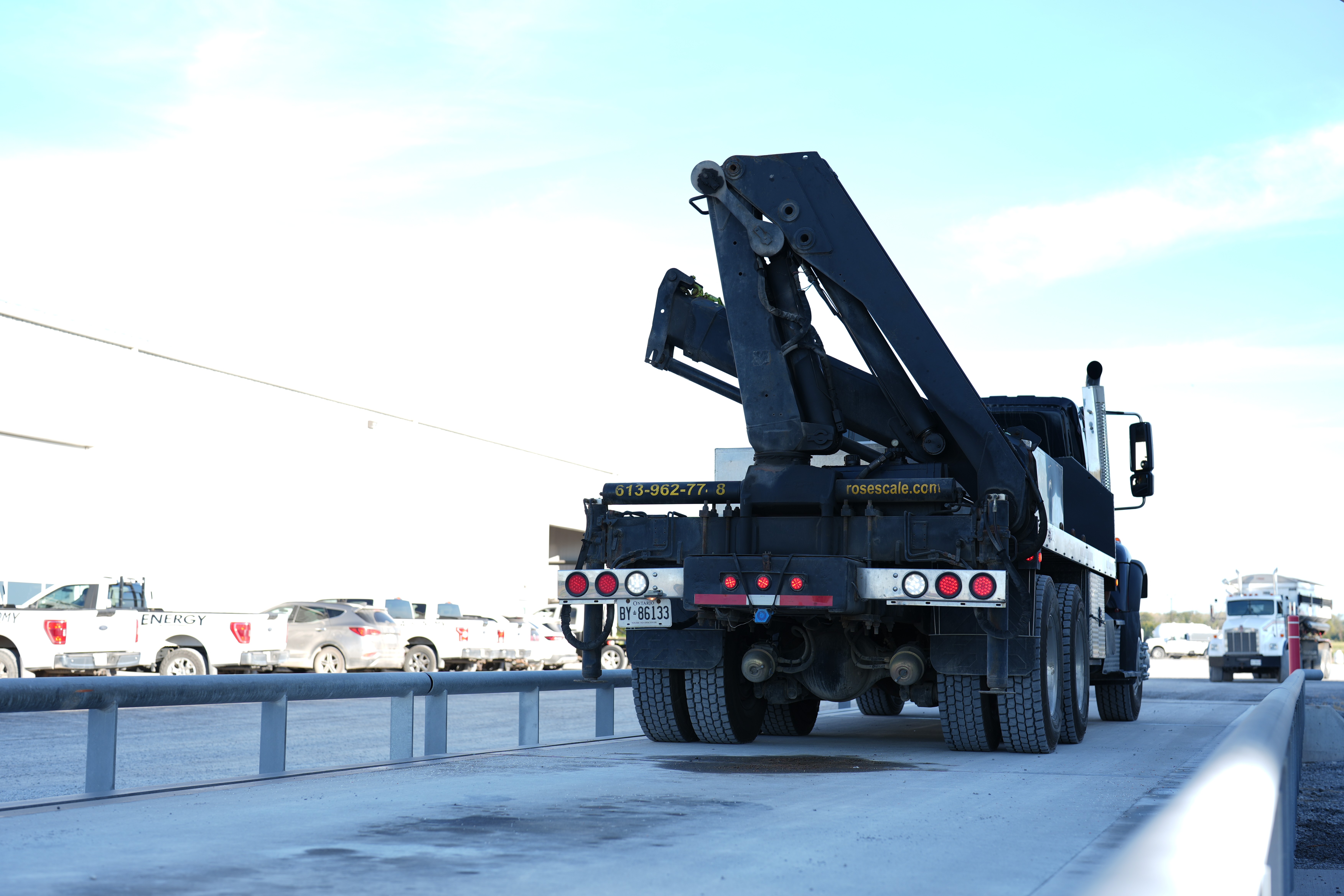
Truck Scales
Truck scales are among the largest weighing systems in industrial use. They can range from smaller platform designs to full 80-foot installations capable of weighing loaded tractor trailers.
Common applications include:
Gravel pits and aggregate operations
Waste and recycling facilities
Forestry operations
Agricultural sites
Bulk material distribution
Truck scales are often legal for trade and require proper verification and certification. They play a central role in revenue generation for many operations.
When a business buys or sells by the truckload, truck scale accuracy directly affects margins and customer trust.
Choosing the Right System
Selecting the appropriate scale involves more than capacity.
Important considerations include:
Required accuracy
Legal for trade compliance
Environmental conditions
Integration with software or automation systems
Volume and frequency of use
Service and maintenance accessibility
Using a scale that is undersized or poorly matched to the application can lead to premature wear, downtime, and inconsistent results.
A properly selected and installed system supports both efficiency and long term reliability.
One Operation, Multiple Systems
Many facilities rely on more than one type of scale.
A manufacturing plant may use laboratory balances for formulation, floor scales for pallet staging, hopper systems for batching, and truck scales for shipping.
Each system serves a specific purpose within the overall workflow.
Understanding how they work together helps ensure consistent accuracy across the entire operation.
Final Thoughts
From small laboratory balances to full-length truck scales, weighing systems form the foundation of many industrial processes.
Choosing the correct system for your application protects accuracy, supports compliance, and ensures operational efficiency.
The right equipment does more than measure weight. It supports the way your business runs every day.

Need New Equipment?
From a single bench scale to a full truck scale installation, we’ll help you get the right system in place from the start.
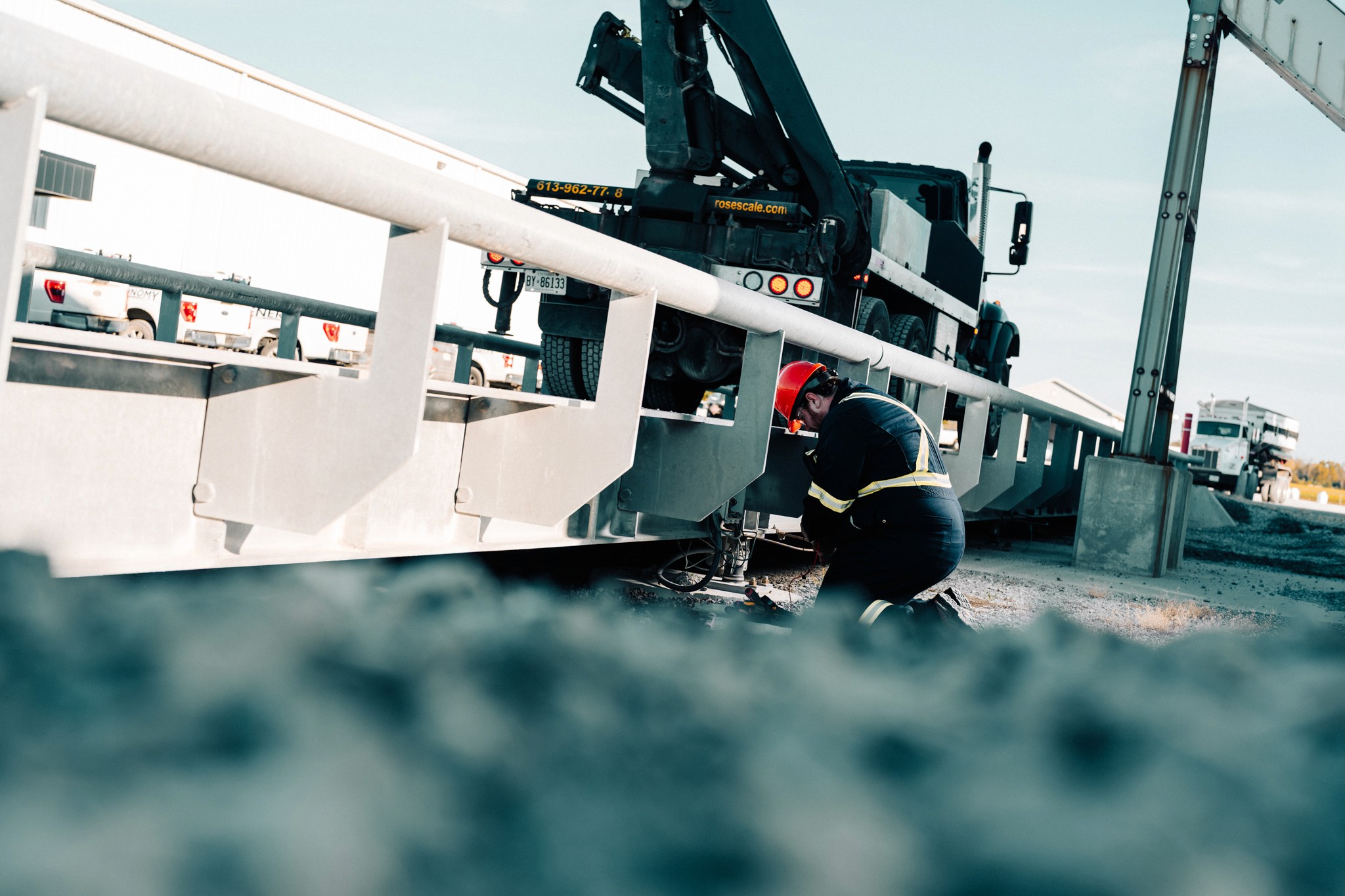
Need a Repair or Calibration?
A down scale doesn’t have to mean a down operation. Our technicians can get you back to accurate weighing fast.