
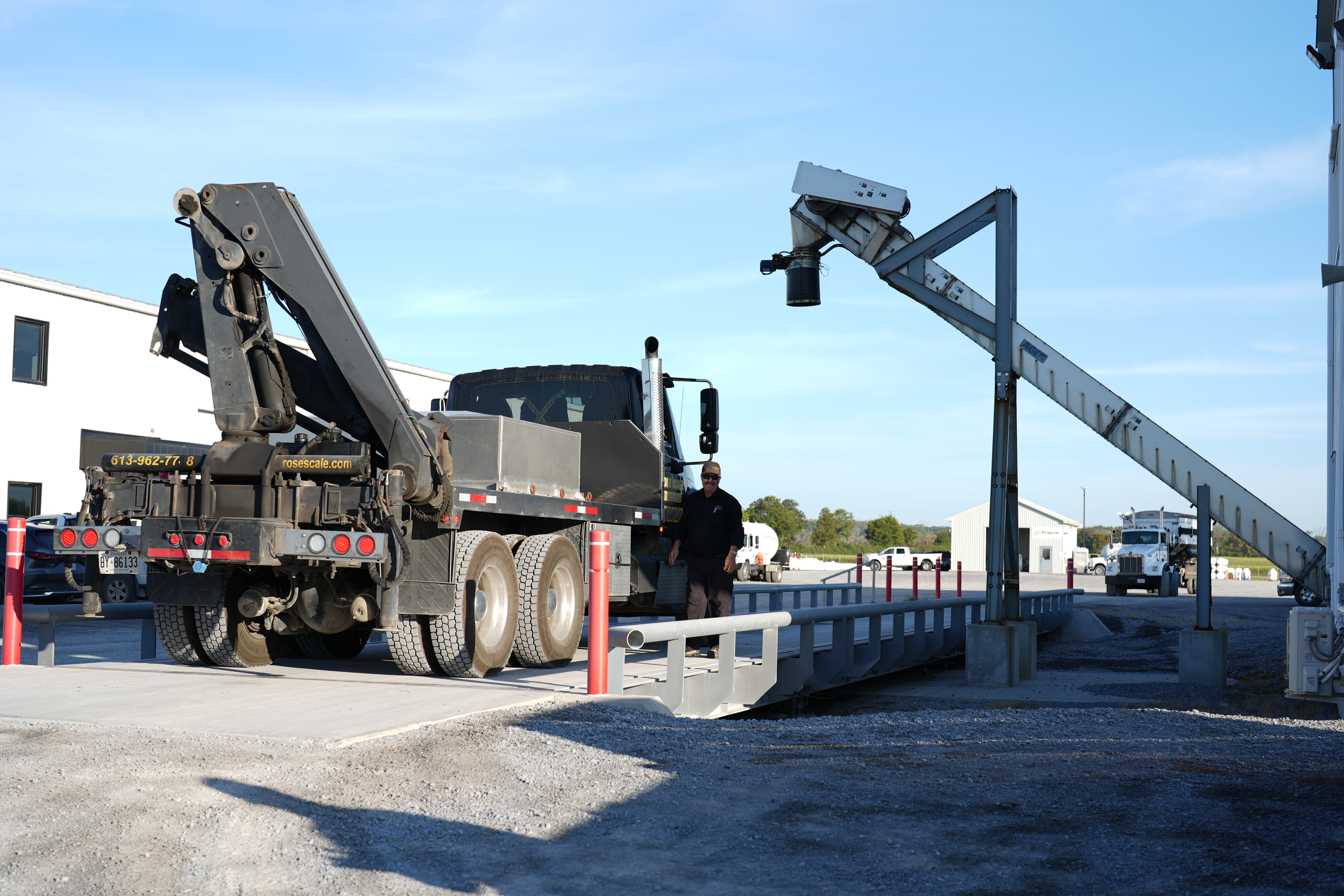
If your business buys or sells by weight, legal for trade compliance is essential. This article explains what Measurement Canada accreditation means, why certification matters, and how proper verification protects your operation, your customers, and your reputation.
If your business buys or sells products based on weight, compliance is not optional.
In Canada, scales used in commercial transactions must meet legal for trade requirements. That includes regular inspection, verification, and certification under federal standards.
Many businesses use scales every day without fully understanding what accreditation means or why it matters. The purpose of this article is to clarify that.
What Does “Legal for Trade” Mean?
A scale is considered legal for trade when it is approved and verified for use in commercial transactions where money changes hands based on weight.
This applies to industries such as:
Aggregates and mining
Waste and recycling
Food production and packaging
Retail grocery
Manufacturing and distribution
If you are billing by weight or purchasing material by weight, your equipment must meet legal standards.
Legal for trade verification ensures that both buyer and seller are protected by accurate, certified measurement.
What Is Measurement Canada Accreditation?
Measurement Canada is the federal agency responsible for enforcing measurement accuracy in commercial trade.
An accredited service provider is authorized to:
Inspect weighing devices
Perform legal for trade verifications
Apply certification marks
Ensure compliance with national standards
Not every scale service company has this authority.
Accreditation requires training, documented procedures, traceable test equipment, and ongoing audits to maintain compliance.
When you work with an accredited provider, you are working with a company that meets strict regulatory standards.
Why Accreditation Matters to Your Operation
Accurate weighing protects more than compliance. It protects your business.
If your scale is not properly verified, you may face:
Failed inspections
Fines or enforcement action
Transaction disputes
Loss of customer trust
Operational delays
In regulated industries, being out of compliance can interrupt operations until corrections are made.
Even outside of inspection scenarios, uncertified or drifting scales create financial risk. Inaccurate billing or purchasing can lead to gradual margin loss or disputes that damage long term relationships.
Certification provides documented proof that your scale meets required standards at the time of verification.
The Risk of Unverified Equipment
Scale issues often develop slowly.
Environmental exposure, electrical disturbances, structural wear, and normal usage can cause drift over time. Without regular inspection and verification, inaccuracies may go unnoticed.
If an inspection occurs and your equipment does not pass, the result may include:
Immediate corrective action requirements
Delays in trade activity
Additional service costs
Reputational concerns
Proactive verification reduces these risks.
How Accreditation Protects Your Customers
Legal for trade certification is not only about regulatory compliance. It is about fairness.
When customers know that your weighing equipment is verified and compliant, confidence increases. Transactions are supported by certified measurement, not assumptions.
In industries where volumes are high and margins are tight, that confidence matters.
Accurate, verified equipment helps maintain transparency and long term trust.
Rosescale’s Role as an Accredited Provider
Rosescale is Measurement Canada accredited and authorized to perform legal for trade verification and certification.
This means:
Our technicians follow approved procedures
Our test equipment meets traceable standards
Our verification processes are documented and audited
Our certifications are recognized under federal regulation
Accreditation was an important milestone in our development because it allows us to fully support customers who operate in regulated environments.
We do not view verification as a formality. It is part of protecting our customers’ operations.
Compliance Is an Operational Safeguard
Measurement Canada accreditation is not simply about passing inspection. It is about maintaining accuracy, protecting revenue, and ensuring fair trade.
If your business relies on weighing equipment to buy or sell product, regular verification and certification should be part of your operating plan.
Accurate measurement protects your margins.
Certified measurement protects your compliance.
Both protect your reputation.

Need New Equipment?
From a single bench scale to a full truck scale installation, we’ll help you get the right system in place from the start.
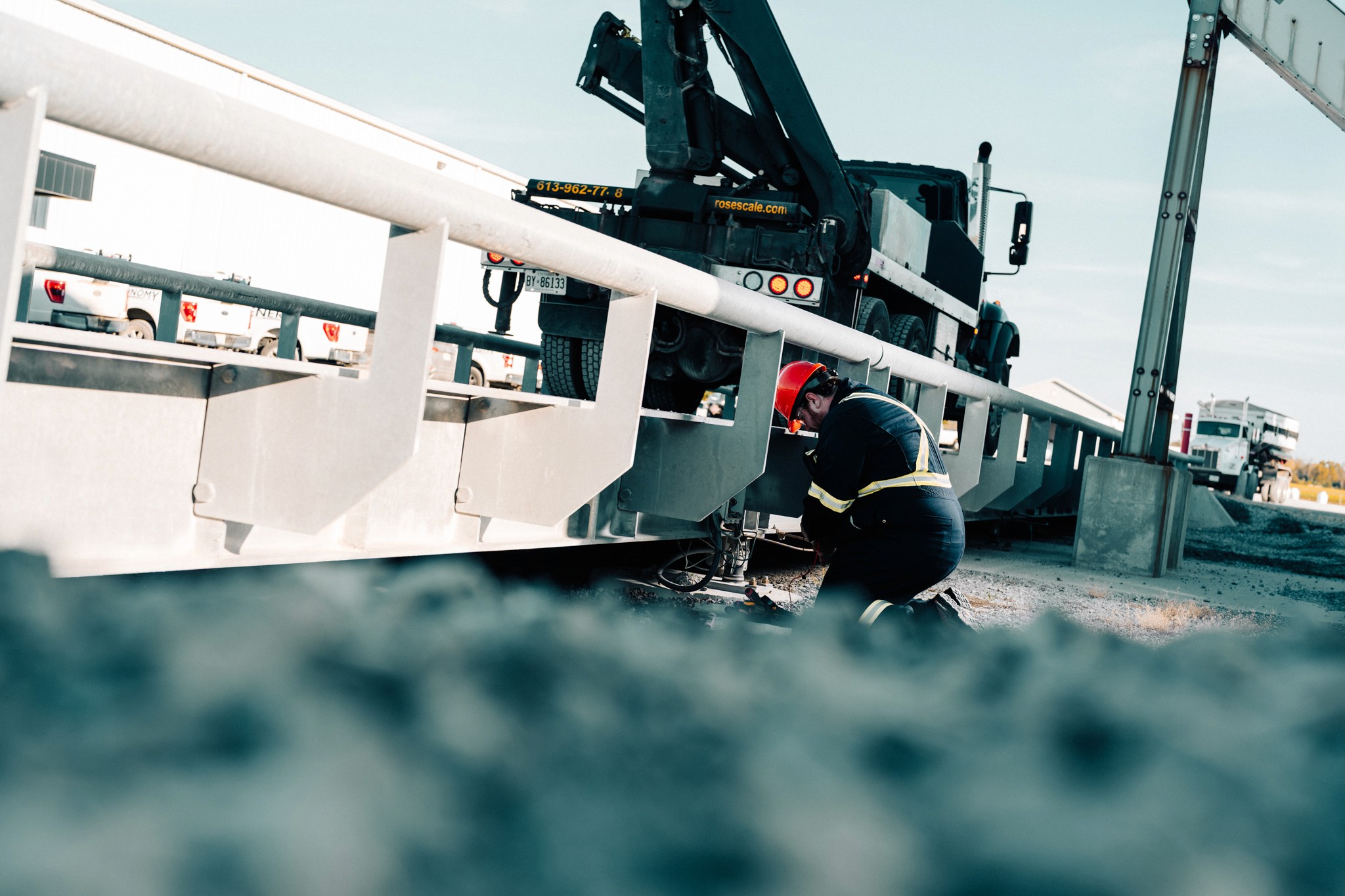
Need a Repair or Calibration?
A down scale doesn’t have to mean a down operation. Our technicians can get you back to accurate weighing fast.