
Modern weighing systems rely on digital integration and advanced software. Yet in industrial environments, local expertise and responsive field technicians remain essential for uptime, compliance, and long-term reliability.
Industrial weighing has become increasingly digital.
Today’s systems connect to automation platforms, reporting dashboards, inventory software, and remote monitoring tools. Diagnostics can be reviewed off-site. Data can be transmitted instantly.
Technology has improved visibility and efficiency.
But when a scale stops working, software alone does not solve the problem.
Local expertise still matters.
Digital Integration Has Raised Expectations
Modern facilities expect:
Real-time data
Automated reporting
Remote diagnostics
Software integration
These tools improve decision-making and reduce manual processes.
However, digital systems still depend on physical components. Load cells, structural supports, wiring, and foundations remain critical to performance.
When hardware fails, physical intervention is required.
The Limits of Remote Support
Remote troubleshooting can identify certain issues, such as:
Signal irregularities
Indicator errors
Communication failures
But remote access cannot:
Replace a damaged load cell
Correct structural misalignment
Repair corroded components
Address drainage issues
Perform legal for trade verification
Field service remains essential for mechanical and compliance-related work.
Faster Response Protects Uptime
In high-volume operations, downtime is costly.
Local technicians provide:
Faster on-site response
Familiarity with regional conditions
Understanding of local regulatory requirements
Knowledge of common environmental challenges
Geographic proximity reduces delays and improves operational continuity.
Regional Knowledge Matters
Local expertise includes understanding:
Seasonal weather impact
Soil and drainage conditions
Regional compliance enforcement practices
Industry-specific challenges within the area
This contextual knowledge improves preventative planning and problem resolution.
Technicians who regularly service facilities in the region develop insight that remote providers cannot replicate.
Compliance Requires Physical Presence
For legal for trade applications, certification and inspection require on-site verification.
Only qualified field technicians can:
Apply certified test weights
Perform structural inspection
Complete regulatory documentation
Confirm performance within tolerance
Compliance cannot be maintained through digital tools alone.
Building Long-Term Relationships
Local service relationships create familiarity.
Over time, technicians understand:
Equipment history
Site-specific vulnerabilities
Seasonal workload patterns
Integration requirements
This continuity supports proactive maintenance rather than reactive repair.
Digital tools enhance service, but human experience strengthens it.
Technology and Expertise Work Together
Modern integration improves efficiency.
Local expertise ensures reliability.
The most effective service model combines:
Digital diagnostics
Data integration
Preventative maintenance
Skilled field technicians
Technology supports visibility. Expertise supports execution.
Final Thoughts
Weighing systems have become more connected and data-driven.
Yet scales remain physical systems operating in demanding environments. When issues arise, responsive and knowledgeable field technicians are essential.
In a digital world, local expertise remains foundational to uptime, compliance, and long-term operational stability.
Technology advances performance. Local expertise protects it.

Need New Equipment?
From a single bench scale to a full truck scale installation, we’ll help you get the right system in place from the start.
Need a Repair or Calibration?
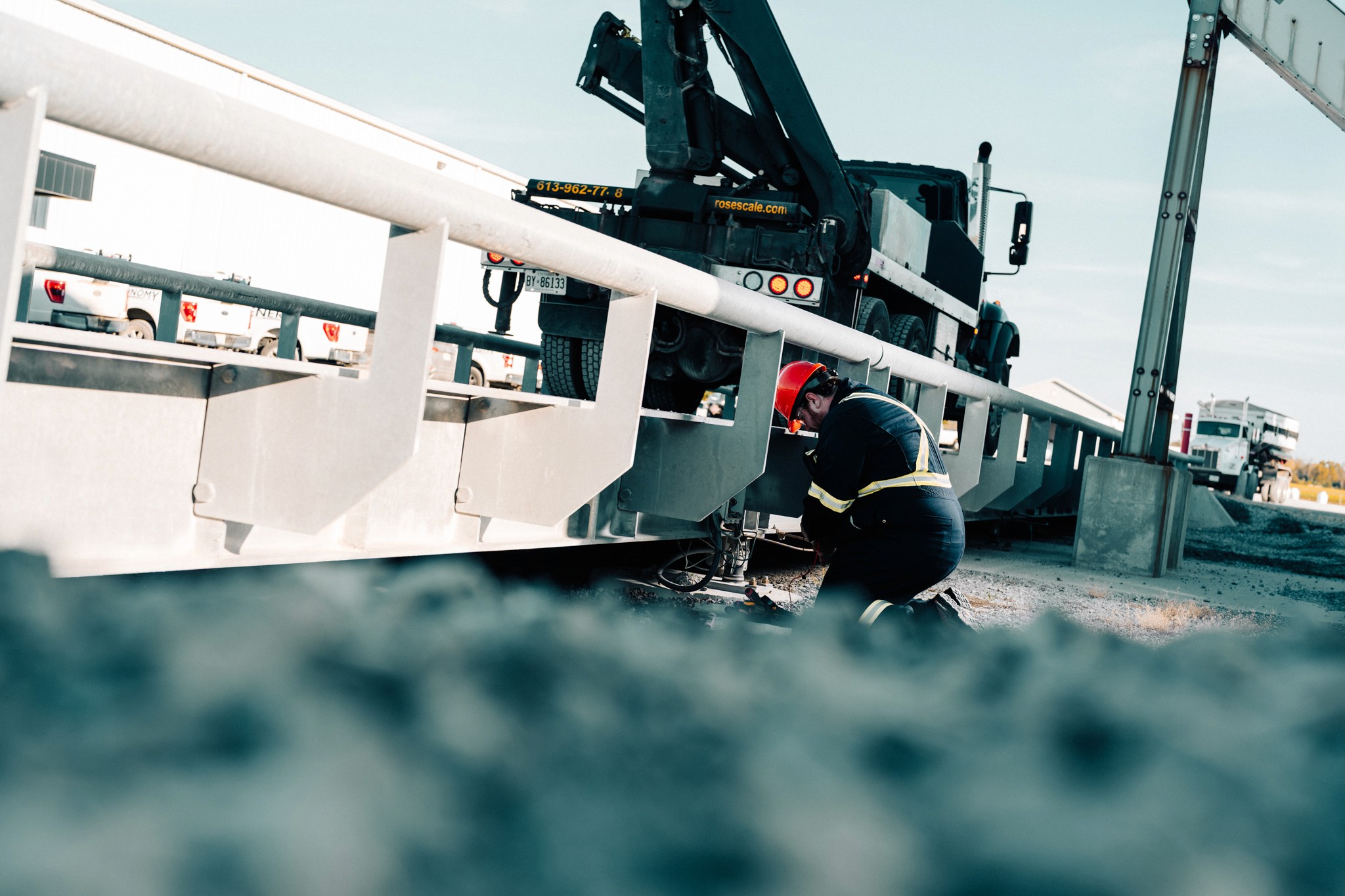
A down scale doesn’t have to mean a down operation. Our technicians can get you back to accurate weighing fast.