
Calibration and certification are often used interchangeably, but they are not the same thing. This article explains the difference between general calibration and legal for trade certification, and why some applications require both.
In the weighing industry, the terms calibration and certification are often confused.
While they are related, they serve different purposes. Understanding the distinction helps businesses maintain compliance, protect revenue, and avoid misunderstandings during inspections.
Both calibration and certification support accuracy. However, they are not interchangeable.
What Is Calibration?
Calibration is the process of checking and adjusting a scale to ensure it measures accurately.
During calibration, a technician:
Applies certified test weights
Compares displayed readings to known reference values
Adjusts the system if necessary
Verifies performance across different load points
The goal of calibration is accuracy.
Calibration ensures that the scale’s readings match known standards within acceptable tolerances.
It is a technical procedure focused on performance.
What Is Certification?
Certification refers to formal verification that a scale meets regulatory requirements for legal use in trade.
When a scale is certified for legal for trade applications, it means:
It has been inspected according to regulatory standards
It meets approved accuracy tolerances
Required documentation has been completed
Official verification marks have been applied
Certification is about compliance.
It confirms that the scale can legally be used in transactions where money changes hands based on weight.
When Calibration Is Enough
In some environments, calibration alone may be sufficient.
Examples include:
Internal production scales
Batching systems not used for commercial transactions
Inventory tracking systems
Quality control balances
In these cases, the business requires accurate measurement but may not need formal legal certification.
Regular calibration protects operational performance and internal reporting.
When Certification Is Required
If a scale is used to buy or sell product by weight, certification is typically mandatory.
Common examples include:
Grocery store scales
Butcher shop counters
Truck scales at aggregate pits
Waste facility scales billing by tonnage
In these cases, regulatory authorities require formal verification and documentation.
Calibration may be part of the certification process, but certification includes additional compliance procedures.
Why Both May Be Necessary
In many operations, both calibration and certification are required.
A scale may need:
Routine calibration to maintain accuracy
Scheduled certification to meet legal requirements
Calibration keeps the scale performing correctly. Certification confirms that it meets regulatory standards.
Skipping either step can create risk.
The Risk of Confusion
Confusing calibration with certification can lead to compliance issues.
For example:
A scale may be calibrated but not legally certified
A scale may have been certified once but not recalibrated regularly
Documentation may be incomplete
Understanding which process applies to your equipment ensures that your operation remains both accurate and compliant.
Documentation and Traceability
Both calibration and certification require proper documentation.
Records should include:
Date of service
Test weight traceability
Adjustments performed
Verification results
Maintaining organized records simplifies inspections and supports accountability.
Final Thoughts
Calibration and certification serve different but complementary roles.
Calibration ensures technical accuracy. Certification ensures regulatory compliance.
Depending on how your scale is used, you may require one or both.
Understanding the difference protects your business from both operational inaccuracies and compliance risk.
If you are unsure which requirements apply to your equipment, reviewing how the scale is used in your operation is the first step.

Need New Equipment?
From a single bench scale to a full truck scale installation, we’ll help you get the right system in place from the start.
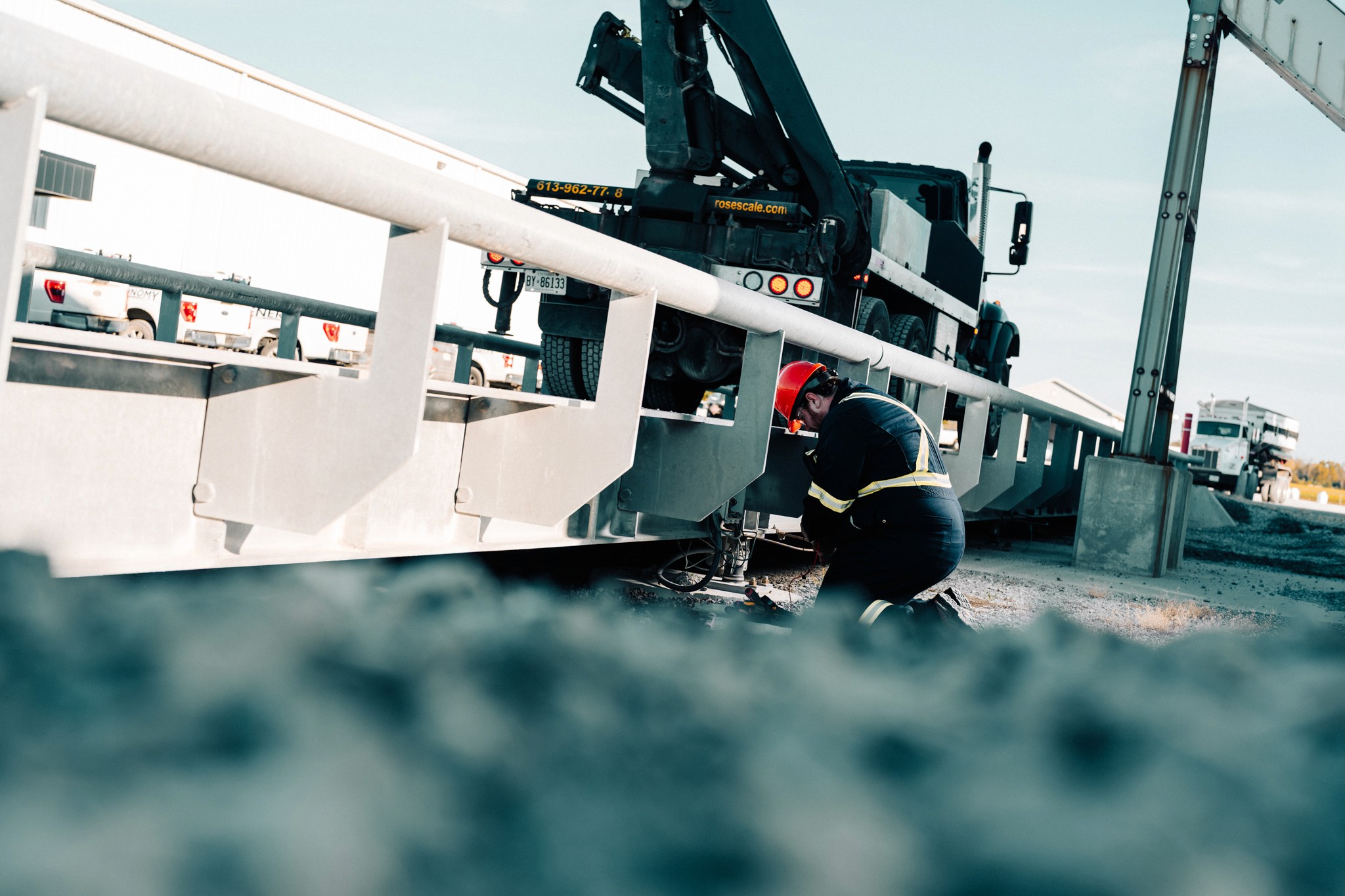
Need a Repair or Calibration?
A down scale doesn’t have to mean a down operation. Our technicians can get you back to accurate weighing fast.