
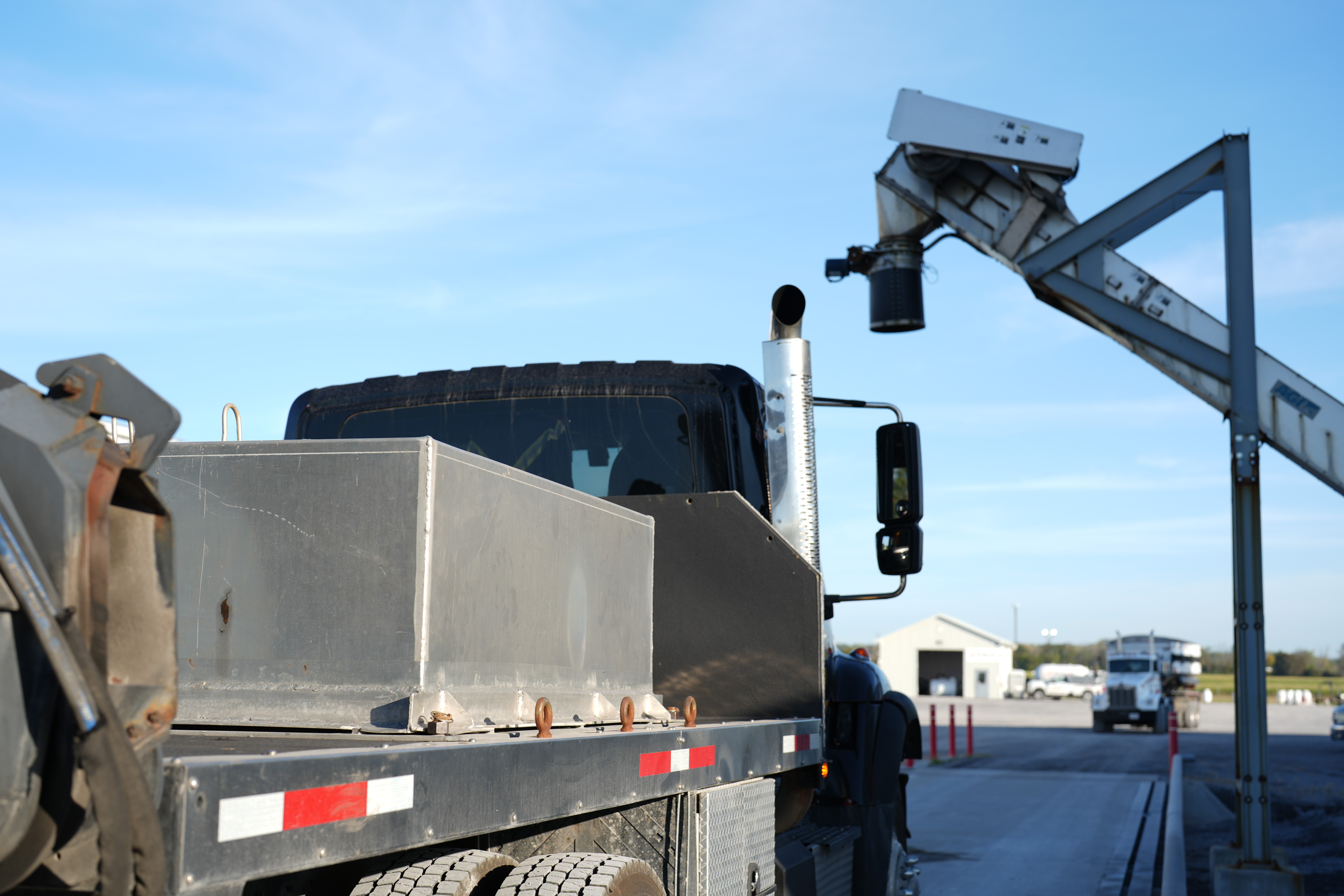
A scale is only as reliable as its installation. This article explains how improper foundation work, alignment, and setup can compromise accuracy and lifespan from the very beginning, and why correct installation protects long-term performance.
When a new scale is installed, attention often focuses on the equipment itself.
Capacity, brand, electronics, and certification tend to receive the most discussion. But the long-term performance of any scale depends heavily on something less visible: proper installation.
Foundation preparation, structural alignment, drainage, and setup procedures determine whether a scale performs reliably for years or begins developing issues shortly after commissioning.
Installation is not just a first step. It sets the foundation for everything that follows.
Foundation Work Is Critical
Large industrial scales, especially truck scales, rely on stable foundations.
Improper foundation work can result in:
Uneven settling
Deck misalignment
Stress on load cells
Structural distortion
Even small shifts in foundation level can affect how weight transfers across the system.
Soil conditions, compaction quality, drainage planning, and concrete curing all influence long-term stability. Cutting corners during this phase often leads to ongoing calibration challenges.
Alignment and Load Distribution
Scales are engineered to distribute weight evenly across load cells.
If installation does not properly align:
The weighbridge
Support beams
Mounting hardware
Load cell assemblies
uneven loading may occur.
This can cause:
Corner imbalance
Increased component wear
Difficulty maintaining calibration
Premature load cell failure
Correct alignment during installation reduces stress and improves repeatability.
Drainage Planning from Day One
Drainage is often underestimated during installation.
Poor drainage design allows water to collect around or beneath the scale. Over time, this can cause:
Corrosion
Freeze-thaw damage
Electrical instability
Foundation erosion
Addressing drainage during installation prevents environmental problems that may otherwise develop gradually.
Preventative thinking at this stage reduces long-term maintenance needs.
Proper Electrical Setup
Modern scales depend on stable electrical connections.
Improper wiring, inadequate grounding, or poorly sealed junction boxes can introduce signal instability from the start.
Electrical setup should include:
Secure cable routing
Proper grounding systems
Surge protection where appropriate
Environmental sealing
Correct installation protects sensitive components and ensures consistent signal performance.
Legal for Trade Considerations
For scales used in commercial transactions, installation must meet regulatory standards.
Incorrect setup may result in:
Failed verification
Delayed certification
Additional corrective work
Ensuring that installation aligns with compliance requirements avoids unnecessary complications.
The Long-Term Cost of Improper Installation
Problems caused by installation errors may not appear immediately.
Instead, they may surface months or years later as:
Repeated calibration drift
Structural repair needs
Electrical faults
Increased maintenance frequency
At that stage, correcting the underlying issue may require significant rework.
Investing in proper installation protects long-term reliability and reduces lifecycle cost.
Installation as a Strategic Investment
A well-installed scale:
Maintains calibration stability
Experiences less component stress
Requires fewer corrective repairs
Supports consistent compliance
Installation should be approached with the same level of planning as the equipment selection itself.
It is not simply a delivery process. It is a structural and operational foundation.
Final Thoughts
Scale performance begins at installation.
Improper foundation work, misalignment, poor drainage, and incorrect electrical setup can compromise accuracy and lifespan from day one.
Taking the time to ensure proper installation protects your investment, supports compliance, and reduces future downtime.
In weighing systems, what happens beneath the surface often determines long-term success.

Need New Equipment?
From a single bench scale to a full truck scale installation, we’ll help you get the right system in place from the start.
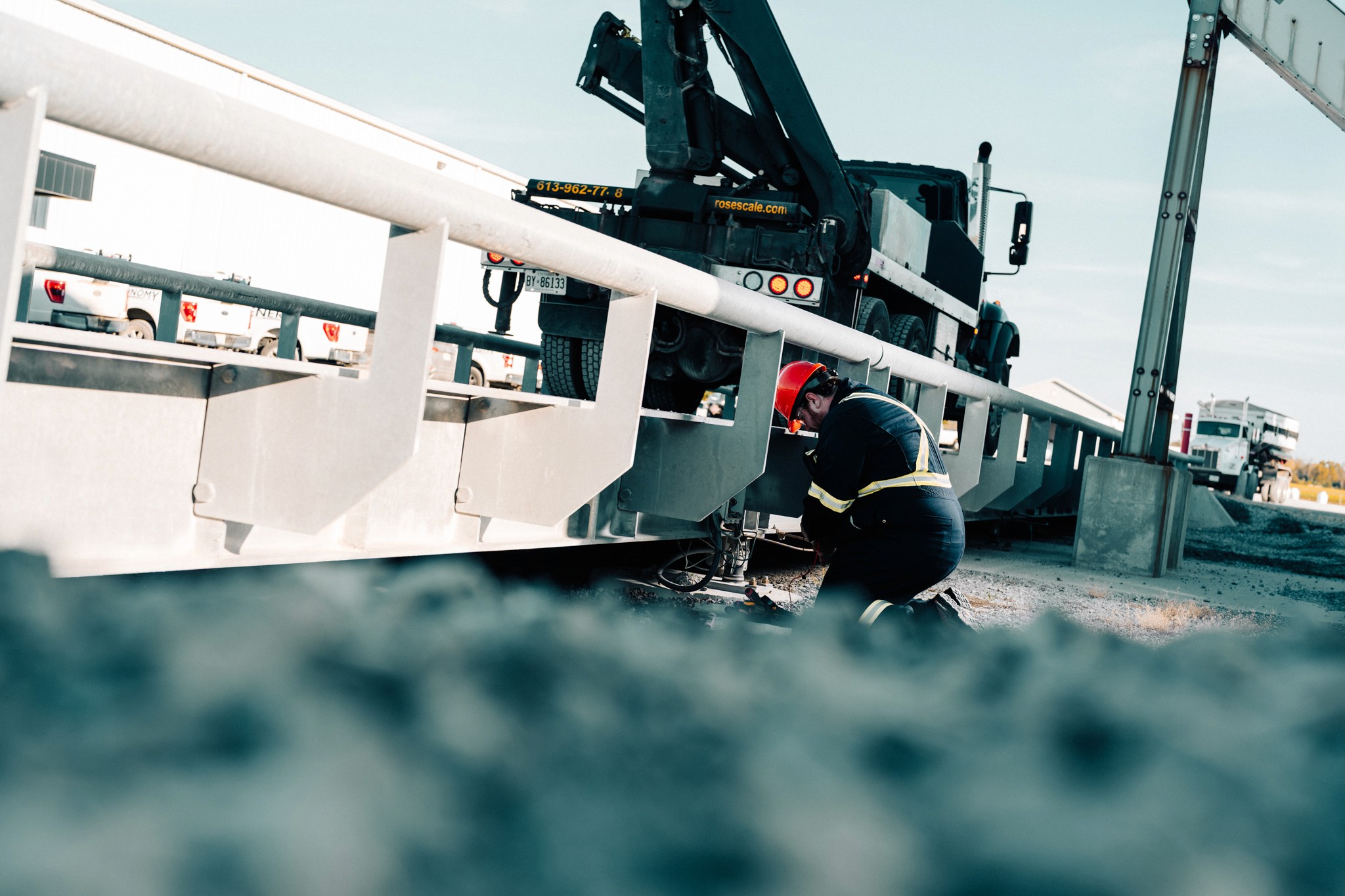
Need a Repair or Calibration?
A down scale doesn’t have to mean a down operation. Our technicians can get you back to accurate weighing fast.